The summer season has ended, and autumn has arrived in its golden glory. This season also marks the slowdown of activity in the garden. Frost is on the way, ending the lifespan of annual vegetables and plants. After spring planting and the peak of the summer harvest, autumn might seem like the time to put the garden tools away and let nature take its course. However, a few careful steps can be executed now that will have you thanking yourself when spring rolls around again. At GetLocal.ie, we have curated this list of ways to prepare your garden for winter and make gardening much easier next season.







 getlocal.ie
Clean-Up
If you notice any diseases in your plants during the growing season, now is the time to remove them. Only remove the plants that have shown signs of pests, funguses, or disease and leave the rest. The healthy, spent crops will protect the soil, reducing erosion throughout the winter. Another major plus of leaving your spent plants is that they can provide homes for overwintering pollinators.
During your clean-up, remove those pesky invasive weeds, so your garden isn’t overrun by the next time you are in it. Keep in mind that most invasive weeds remain viable in a compost or weed pile; dig them up and place them in the bin or smother them under a garden cloth.
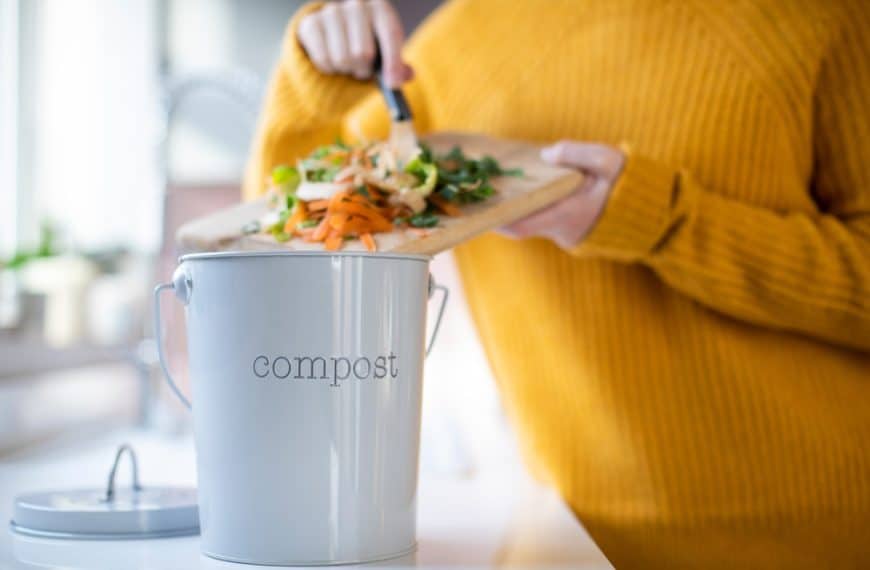
When cleaning up fallen leaves, add them to your compost heap, where they can biodegrade and enhance your soil for years. Remember that any leaves collected from under rose bushes should be disposed of and not added to compost as they could carry disease over to the following year.
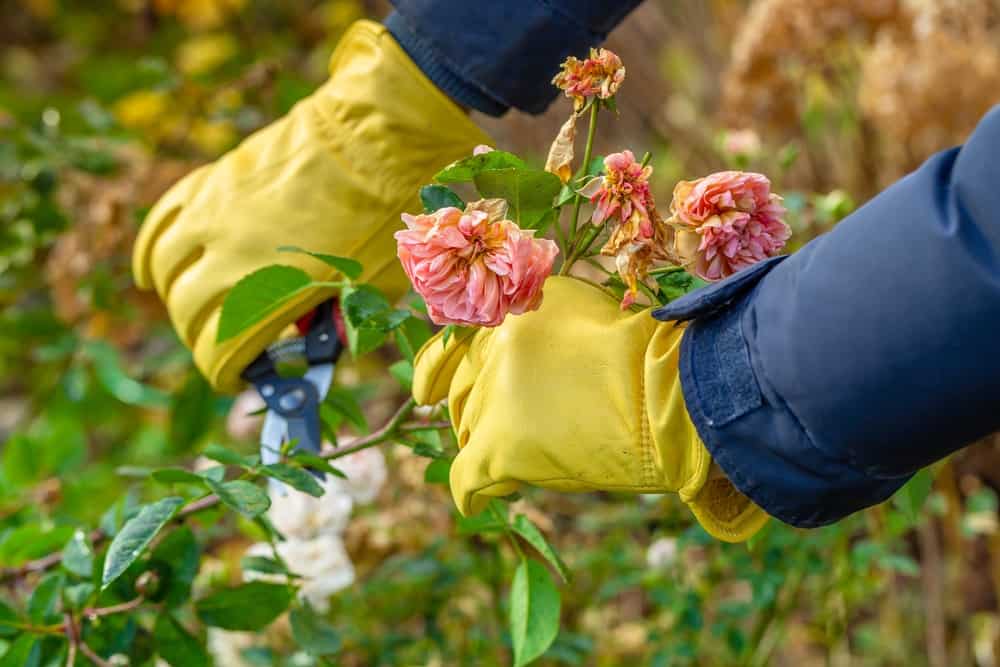
Another part of your clean-up routine is preparing your perennials for winter by cutting them back. You can prune Lavender back by a third, and roses can be pruned as they finish flowering. Give your hedges a gentle trim but leave the hard pruning until spring.
Feed the Birds
With less to eat during the winter, birds need a helping hand from gardeners. Although peanuts are famous for feeding wild birds, not all species can safely digest them. Instead, opt for wild bird seed to stock your bird feeder. If you have a vegetable garden, place the feeder near it so the birds can also chow down on slugs and other pesky bugs that come near your crops.
Discover Bird Feeders Available Online To Discover From Irish Stores Near You
With less to eat during the winter, birds need a helping hand from gardeners.
Winter Planting
Try to get all your bulb planting done by November, so you do not run into problems digging planting holes as the ground hardens during winter. Keep in mind, however, that Tulips are best planted at the beginning of November. Bulb planters are handy tools for making planting bulbs almost effortless.
It would help if you planted Onion sets, shallots, and garlic as soon as possible so that they can get some growth before the cold winter months set in. Plant Fruit bushes now as well since the ground is still warm from the summer months, and all the autumn rain will help them flourish.
Prepare for Wind
Remove dead or decaying branches on established trees so that the winter wind doesn’t cause extra damage to your garden or the surrounding structures. When it comes to newly planted trees, check the stakes to ensure they are secure to give them a fighting chance. Trellises and other facilities used to prop up climbing plants must be secure enough to withstand high winds.
Plant a Winter Harvest
If saying goodbye to your garden for the winter isn’t something you want to do, consider a winter harvest. Be sure to cover your crops with fleece to protect them, and you will have an excellent crop of harvested vegetables before spring. Kale, spinach, turnips, parsnips, and winter cabbage are a few that are great for this time of year.
Are you looking for indoor plants so you won’t have to worry about the season? Check out our indoor plant discovering guides below to get you started.
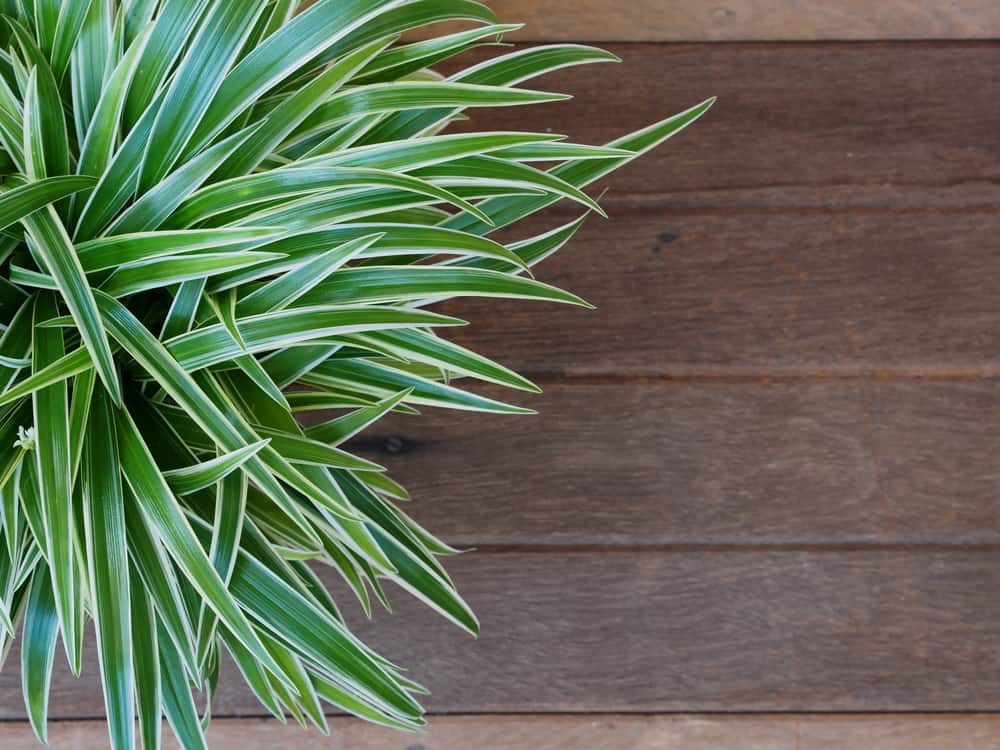
Indoor Plants Discovering Guide | Part 2
Beginners Guide To Indoor Plants Part 2 Time for Part 2 of our Indoor Plants discovering guide with three more lovelies to brighten your space. Here’s the ‘why you should want’ and the ‘how to take care of’ for three…

Indoor Plants Discovering Guide | Part 1
Beginners Guide To Indoor Plants Part 1 Here’s the ‘why you should want’ and the ‘how to take care of’ for three indoor plants that will thrive in Irish homes or offices. You can easily add some indoor plants that…
More Discovering Guides

How To Celebrate Father’s Day
Welcome to our ultimate guide on celebrating Father’s Day in a way that will leave your dad grinning from ear…