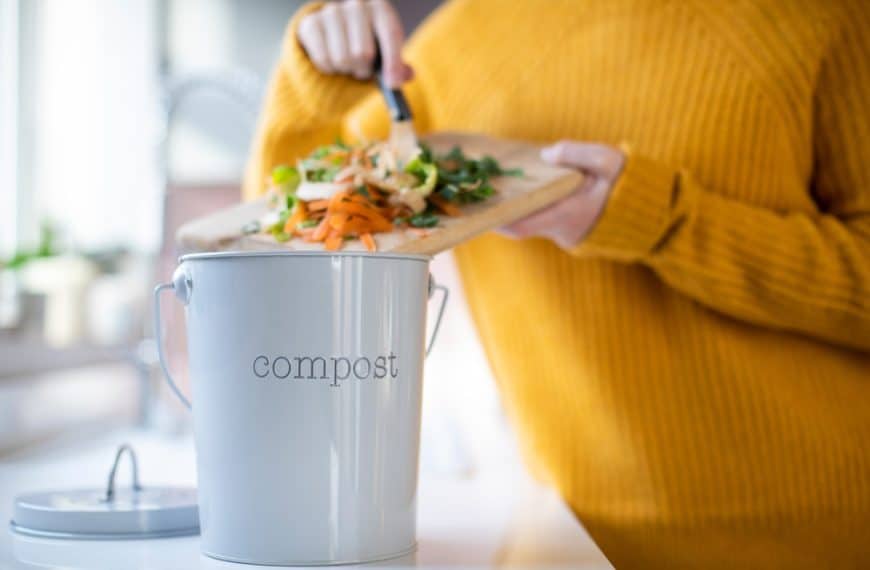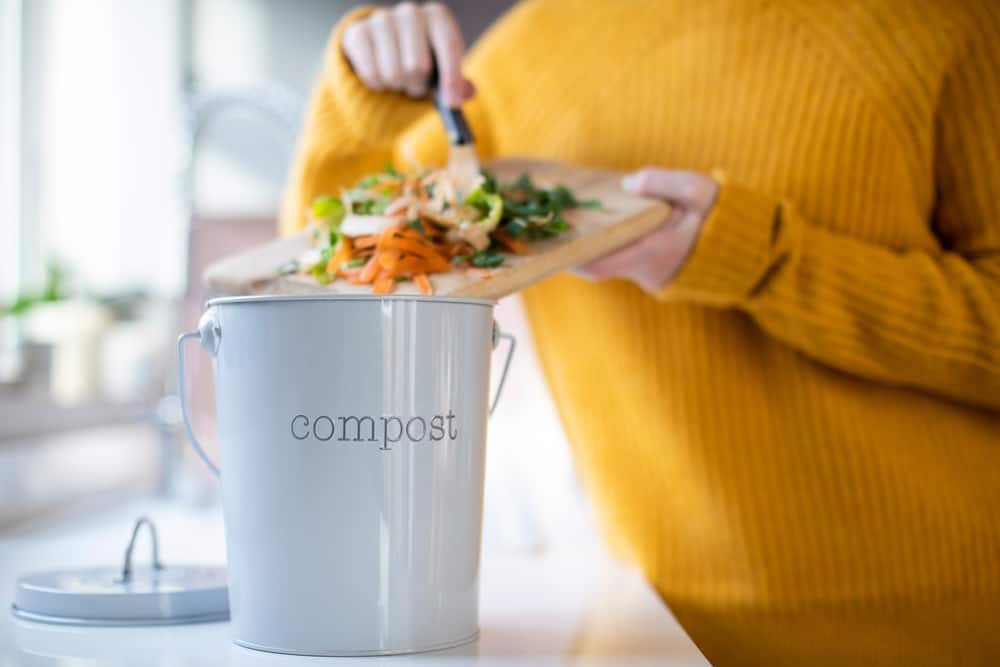
Home composting is brilliant for the environment because it improves the health of your soil by adding organic matter. It also reduces the need for fertilizers by attracting beneficial organisms to the soil. So, it is a win-win! What is compost made of? It is made of decomposed organic material rich in nutrients for garden soil. Essentially, it is broken down kitchen scraps and brown waste such as cardboard. The great news is you don’t need a large garden to start composting; you can use your small garden or even balcony. We have compiled this beginner’s guide to composting so you can begin making top-notch compost that your plants will love.








 getlocal.ie
Where And When To Compost
Choosing the right spot for your compost is crucial. Positioning your compost container in a partially shaded area, ideally directly on the soil, is best. You want to choose a place with little temperature changes and moisture, as the micro-organisms that turn the waste into compost prefer controlled conditions. Once you have selected the perfect spot, you can start composting no matter the time of year. The whole process of composting from start to finish takes about 4 to 6 months, so keep that in mind if you are looking to use it in your garden for spring.
What To Compost In
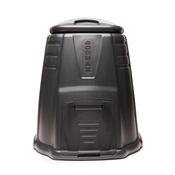
Now that you know where you will be composting, you must decide what to put your compost in. Composting containers come in all shapes and sizes, so choose the one that is right for the area in which you will be using them. It is best to select a bin that is one cubic meter or more, as smaller containers don’t work as well as larger ones. However, a small cardboard box will work brilliantly if you are working with a tiny space. When your box is full of kitchen waste like veg and fruits, dump it into some soil and wait until it is fully decomposed. Once that has happened, you can use it around your garden or with potted plants.
What Materials To Compost
Composting requires a mixture of nitrogen (green material) and carbon (brown materials).
Some examples of green materials are:
- Kitchen scraps like unused veggies and fruits
- Shells from nuts and eggs
- Coffee grounds and organic tea bags
- Garden scraps like weeds, old plants, and grass clippings
Some examples of brown materials are:
- Dry shredded paper and cardboard
- Napkins and paper towels
- Dead Leaves
You should avoid the following items when composting:
- Animal waste
- Fish waste
- Diseased plants
- Coated paper
- Meats and Grease
You Are Ready To Begin
Now that you have everything you need, you can start composting! To begin, layer your brown and green materials in your chosen container. Place a layer of brown materials followed by a layer of green, and so on.
Maintain Your Compost
Mix your compost regularly with a shovel to keep it healthy and active. This will help aerate the compost and speed up the decomposition process.
Harvest Your Compost
You will know your compost is ready for harvest when it is dark and crumbly, with a sweet earthy smell. This process takes about 4 to 6 months, so keep checking your bin as the time approaches.
Bring On The Bloom: 5 Flowers To Plant Now For A Cheerful Spring Garden
Spring is on the way, and what better way to welcome the warmer weather than by adding a pop of colour to your garden? Ireland is home to some of the most beautiful flowers, and with just a little planning,…
Gifts Under €75 for the Gardener
The joy of growing something natural and nurturing it through its life cycle is the centre of gardening. Basking in the beauty of what they have helped create is one of the favourite pastimes of the gardener. They are all…
Gardening Tips Spring Season
March and April are very busy months when it comes to gardening in Ireland. March is the time to get your garden spring-ready and towards the end of the month is when you can plant carrots, parsnips, leeks, beetroot, lettuce,…
More Discovering Guides

How To Celebrate Father’s Day
Welcome to our ultimate guide on celebrating Father’s Day in a way that will leave your dad grinning from ear…