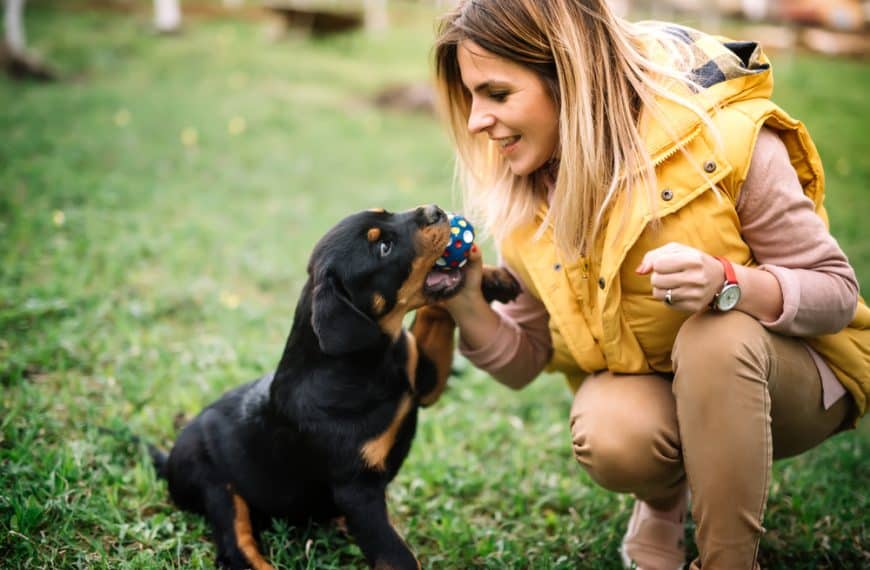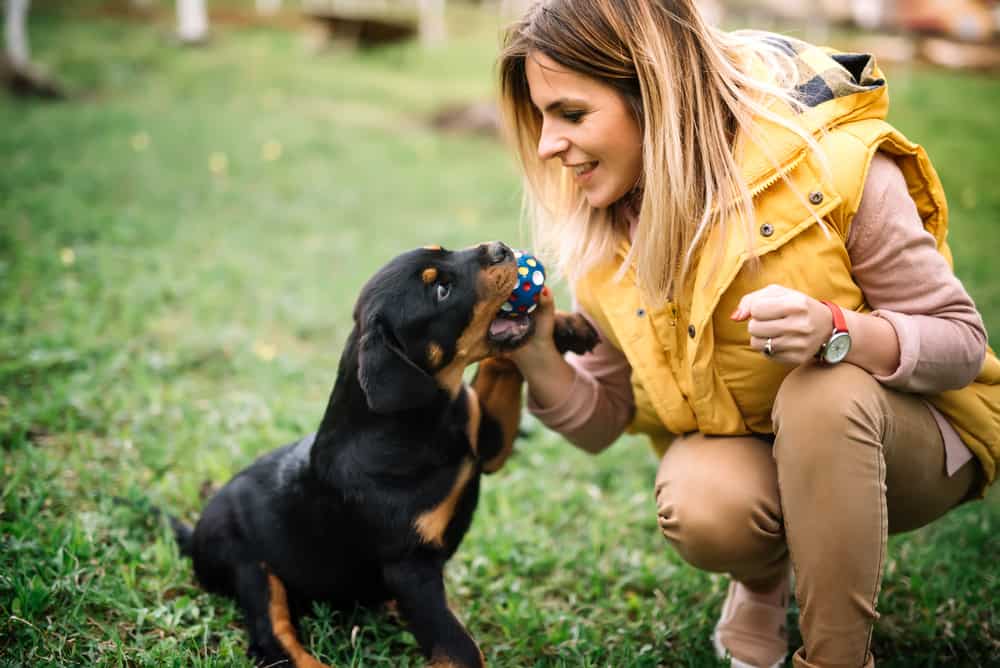
Bringing home a new puppy is an exciting experience, to be sure. Puppies are cute, cuddly, and oh-so-loveable, after all! But now that you have your new furry family member home, it is time to start thinking about puppy training. Let’s face it, from chewed-up shoes to potty accidents, raising a puppy is no walk in the park. That is why we have put together this beginner’s guide on training that will make your life a whole lot easier.


 getlocal.ie
Crate Training
Crate training your new furry friend has many benefits, such as;
- Limiting their access to the house before they learn the house rules.
- It helps your puppy feel less anxious when you are away.
- It gives them a place all their own to retreat to where they feel safe.
- The crate can easily be used for transport to the vet or when going on a trip.
Before you start crate training, ensure the crate is comfortable and cosy for your new pup. Add a non-spill water bowl, some toys, and a comfy place for them to lie down. You will also want to ensure the crate is the right size for them. It should be at least 15cm longer than their body length and at least 15cm higher than their shoulder height. Baby gates are a great alternative to crates if you want to keep your puppy in a particular area of the house but don’t want to crate-train them.
Treats
Training treats are essential and effective when it comes to training your pup. Plus, it is a brilliant way to reward good behaviour. When choosing training treats, remember that they should be small and soft so that your furry friend can easily chew and digest them.
Leads And Collars
Lead training should be started as soon as possible, as going for a walk and exercising is very important for your puppy at all stages of its life. This means that a promising lead and collar are essential. Look for a lead that is long enough for them to explore but not so long that you can’t control them, and a collar that fits snuggly but isn’t too tight. We have written a blog article on choosing the correct lead for your dog to help you get started; check it out.
Chew Toys
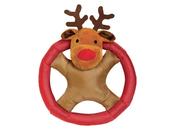
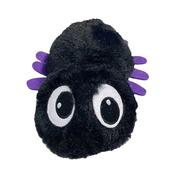
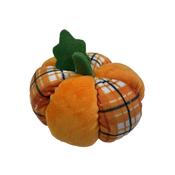
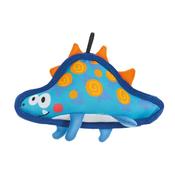
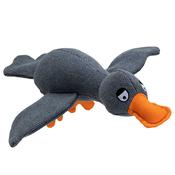
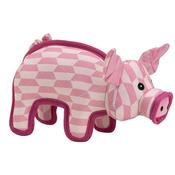
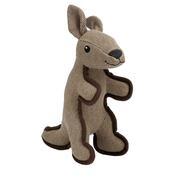
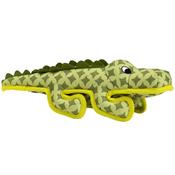
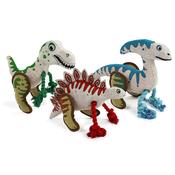
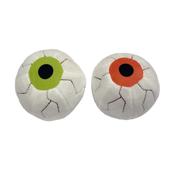
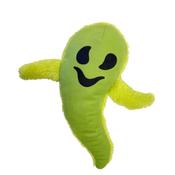
Chewing is a puppy’s favourite pastime, and if you don’t want your shoes and other belongings to get all chewed up, having plenty of chew toys available is a must. Make sure the chew toys you purchase are appropriate by looking at ones specifically for puppies. Avoid toys that are too hard or small for your specific pup. Interactive toys are also a brilliant idea for your new furry family member because they prevent boredom by mentally stimulating your puppy.
Puppy Training Pads
Potty training can be messy and frustrating, but puppy training pads make it easier. Place the pads in the area you want your puppy to go to the bathroom, and reward them with treats when they use their pads.
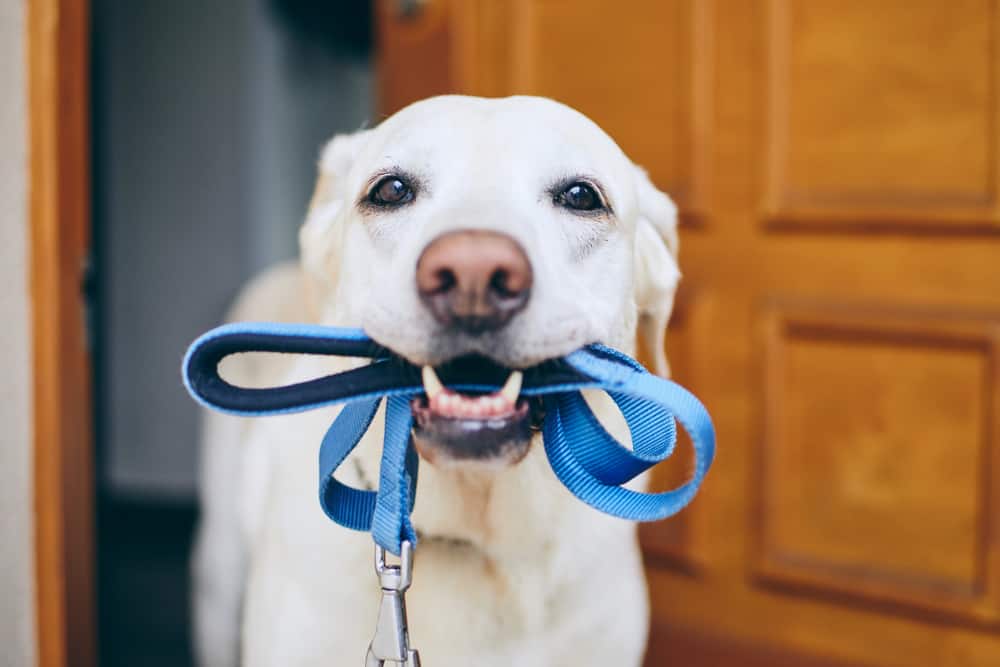
The Importance of a Good Lead: How to Choose the Right One for Your Dog
Walking your dog on a lead is essential to responsible pet ownership. Not only does it keep your dog safe, but it also helps to prevent them from causing a nuisance or coming to harm in public places. However, not…
Gifts Under €25 for Dog Parents
What isn’t adorable about a tail-wagging, face-licking, and energetic ball of fluff? Dogs are called man’s best friend for a reason, actually several reasons. They are always so excited to see their humans, are in tune with your emotions and…

Choose The Right Kind Of Dog Bowl
Finding a suitable dog bowl near you is easy with GetLocal.ie because, with a few clicks, you can choose from 100’s options for the doggie in your life. With so much choice from local stores near you, how can you…

Beginner’s Guide To Cat And Dog Essentials
Adopting a furbaby for the first time is an exciting experience, to be sure. Whether you have decided on a puppy or a kitty, pets can bring us joy, love, and companionship. Along with getting your new best friend home,…
More Discovering Guides
How To Celebrate Father’s Day
Welcome to our ultimate guide on celebrating Father’s Day in a way that will leave your dad grinning from ear…