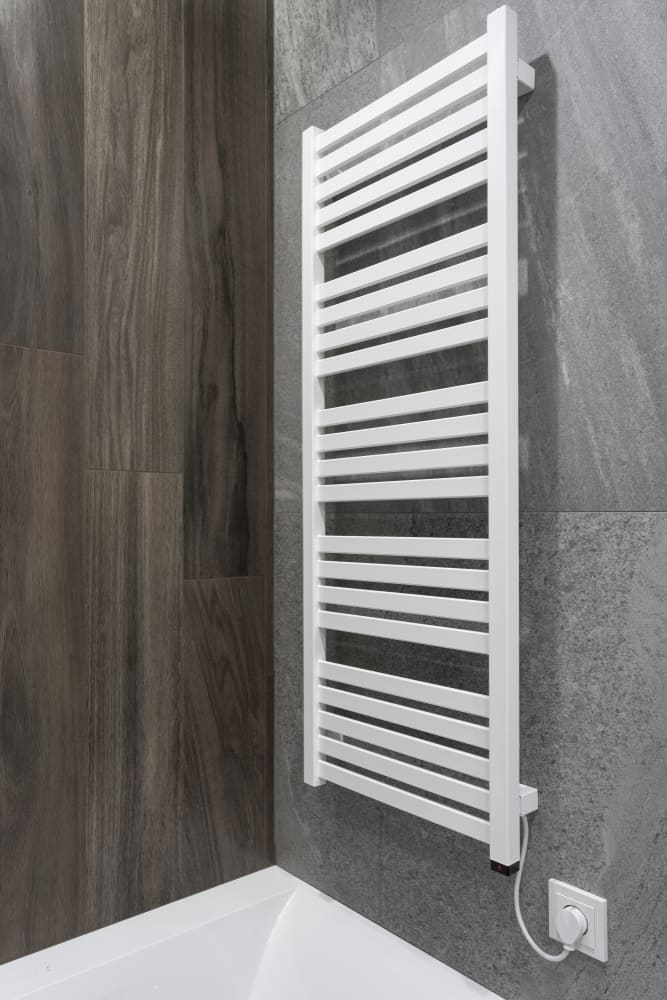
Regarding style, few radiator options – excuse the pun – radiate the kind of elegance of vertical radiators. While offering comparable heating to the more traditional horizontal radiators, this home heating solution brings an aura of luxury to any home’s interior.
In recent years, vertical radiators have become increasingly popular in Irish homes. Careful placement of these radiators can be integrated with a home’s interior design. The sheer amount of colours and styles available means they can be hidden in a home or incorporated into the design.
Despite this, there are still some gaps in our knowledge regarding vertical radiators. What are they made from? What styles are available, and what should you expect in terms of heating output?
If you don’t know your column aluminium steel radiator from your flat panel stainless steel radiator, you’ve come to the right place. GetLocal is deep diving into vertical radiators giving you all the information you need to make the right choice for your property.


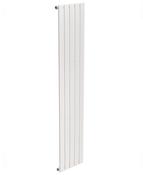
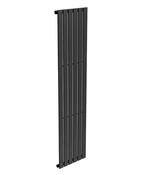
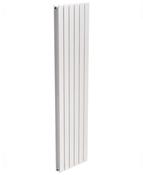
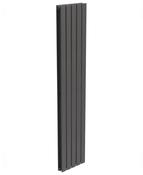

 getlocal.ie
Vertical VS Horizontal Radiators
When it comes to interior design, there is a minor civil war erupting. That war pits horizontal radiators vs vertical radiators. While from a purely aesthetic point of view, vertical radiators are the preferred option for modern homes. At the same time, properties inspired by traditional design that takes cues from Victorian and Edwardian interiors may be more likely to include horizontal radiators.
Of course, a radiator’s design will always be a secondary concern. Sure, we want everything in a home to look beautiful but not at the cost of function. Therefore when comparing radiators, we need to consider their performance and efficiency.
So the obvious question is, do vertical radiators give off as much heat as horizontal radiators?
The answer, unfortunately, is a little more complicated than you might think. It is true that vertical radiators don’t achieve the same heating performance as traditional horizontal radiators.
The reason for this is evident once you understand how radiators work. Radiators draw cold air around them, and then cold air is heated up, becoming lighter, so it rises. With cold air being drawn into the radiator and warm air floating above the radiator, a cycle of warming air is created. This process is called convection.
Due to their skinnier shape, vertical radiators don’t have the same area to draw from and therefore achieve less convention.
The above may imply that vertical radiators are less efficient. But this is rarely the case. One of the most significant factors in a radiator’s efficiency is its placement. The slim design and ability to mount radiators greatly extend the placement possibilities. In many cases, a carefully placed vertical radiator will be as efficient or even more efficient than a traditional horizontal design.
In conclusion, the performance of vertical and horizontal radiators are more or less comparable, and any difference in performance is usually so negligible it’s not worth considering.
Types of Vertical Radiators
Typically vertical radiators fall into three distinctive types. Each of these types has its own look, design and performance capabilities. Each of these types has its advantages and disadvantages.
Column Vertical Radiators
Column radiators are considered one of the best heating options for large and sitting rooms. Column radiators blend the traditional look of old-style radiators with the latest 21st-century heating technology. Typically these radiators are made from aluminium or cast iron by combining efficient heat outputs with a robust and durable design. This design works best in large, traditionally designed home with big open spaces.
Advantages of Column Vertical Radiators
- They offer highly efficient heat outputs
- Made from robust material, giving them a long service life
- They heat up and cool down quickly, offering superior heat controls
Disadvantages of Column Vertical Radiators
- They are large, and their design is often blocky
- Can be expensive to purchase and install
- Not suitable for homes with a more modern design aesthetic
Flat Panel Vertical Radiators
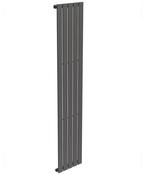
For those living in a modern home, a flat panel vertical radiator may be the option of choice. They are designed using thin panels, which also double as the actual water tank. Piping feeds warm water into the flat panels that produce the heat. These stylish designer radiators are subtle enough to disappear into a home’s interior design. From a purely functional point of view, they also heat up quickly. They offer a comparable amount of heat to a column radiator.
Advantages of a Vertical Flat Panel Radiator
- They are stylish and perfect for homes with a more modern design aesthetic
- Their slim design means they won’t take up an excessive amount of space on a wall
- There are a vast number of styles and colours available
Disadvantages of Vertical Flat Panel Radiators
- They can be susceptible to paint peeling
- There is also evidence that suggests these radiators may be a little bit more prone to the corrosive effects of water
Convector Vertical Radiators
These radiators use convection to warm the room from the top down. This process ensures that the room is warmed up evenly. The design allows vertical convection radiators to be installed a little higher on a wall, increasing the possible design options. They also offer superior heat control, allowing the temperature to be controlled in individual rooms.
Advantages of Vertical Convector Radiators
- As they can be installed in more places than conventional heaters, they open up much more design possibilities
- They offer a consistent temperature within a room
- Individual rooms can be heated to different temperatures
- Individual rooms can be heated to different temperatures
Disadvantages of Vertical Convector Radiators
- In some cases, they may not be as energy efficient as some of the others discussed
- They can create dust disturbances, which may not be suitable for those with a dust allergy
Vertical Radiator Materials
Stainless Steel
One of the most common materials used in the construction of vertical radiators is stainless steel. Stainless steel is known for its extreme durability. Therefore stainless steel radiators are incredibly resistant to corrosion and rust. Consequently, you can expect an extremely long service life with a stainless steel radiator. They also require very little maintenance. From a purely functional point of view, steel is a great conductor meaning these types of radiators are efficient and help keep your home warm for longer.
Aluminium
While not as common as stainless steel, aluminium radiators are still often used in Irish homes. The robust build of aluminium means it retains its look for years. Regarding aesthetics, aluminium is an incredibly versatile material that can be bent, coloured and styled to fit any design.
Aluminium also offers similar conductivity to stainless steel. It’s also highly lightweight, meaning it is easier to install, which may be reflected in the installation fee. Also, aluminium radiators require very little warm water to achieve the same heating results as other radiator types.
Iron
The grandfather of all radiator materials, iron has been used for centuries. While it takes iron longer to heat up than stainless steel and aluminium, iron retains heat for much longer. This translate to less pressure put on your boiler. Due to this ability to maintain heat, you’ll also use less fuel to achieve the same heating results; iron radiators are probably the most efficient on the market.
The above has hopefully given you a greater understanding of vertical radiators. With the number of styles, colours and versions available, you are sure to pick the correct radiator for the needs of your home or business property. When comparing radiators is always best to shop local. GetLocal makes it easy to compare radiator types between different local retailers; when you’re updating your home heating system, shop local with GetLocal.
Vertical Radiators FAQ
Q: Are vertical radiators as efficient as horizontal radiators?
Generally speaking, due to their shape, vertical radiators don’t produce the same kind of heat output. As they don’t have the same space to draw cold air into their system for convection, these radiators can be a little inefficient.
Q: Where should I place a vertical radiator in a room?
Traditional radiators are supposed to be installed in the coldest place in the room. To get the most from a vertical radiator, it should be placed on a wall a few feet from the floor and not be obstructed by furniture.
More On Home Heating
Comparing Stove Types
In recent years the stove has overtaken the open fire as the homely heating option of choice. There is something…