Do electric radiators have a bad reputation? It would certainly appear so. Check any estate agent’s website, and you’ll notice that properties with electric heaters are a little cheaper. As though electric heating is a compromise rather than a feature of the building.
The jury has long returned with the judgement on electric radiators. The consensus is that electric heating solutions are more expensive and ineffective when compared with gas or oil heating options. But is this fair?
When it comes to comparing electric heating solutions with gas, the answer isn’t straightforward.
From an installation point of view, an electric heater fitting is significantly cheaper than installing a gas home heating solution. Also, electric heaters don’t require the kind of annual maintenance a gas boiler will need. An electric home heating system is 100% maintenance-free. However, in most instances, the price of electricity per unit is going to be higher than gas. Therefore running costs will inevitably be a little higher with electricity. Still, modern systems use innovative technology that takes advantage of off-peak electricity times.
So in many instances, the cost of electric radiators and gas are comparable. Suppose you’re in the market for an electrical heating system. You’ve come to the right place. In this article, we will explore the most popular electrical radiator solutions and outline the pros and cons of each.
Popular Electric Radiators
As we alluded to in the opening paragraphs, there are various electric radiator options. However, we will focus on some of Ireland’s most popular electric radiators. These include:
- Electric panel heaters
- Storage Heaters
- Electric radiators
Electric Panel Heaters
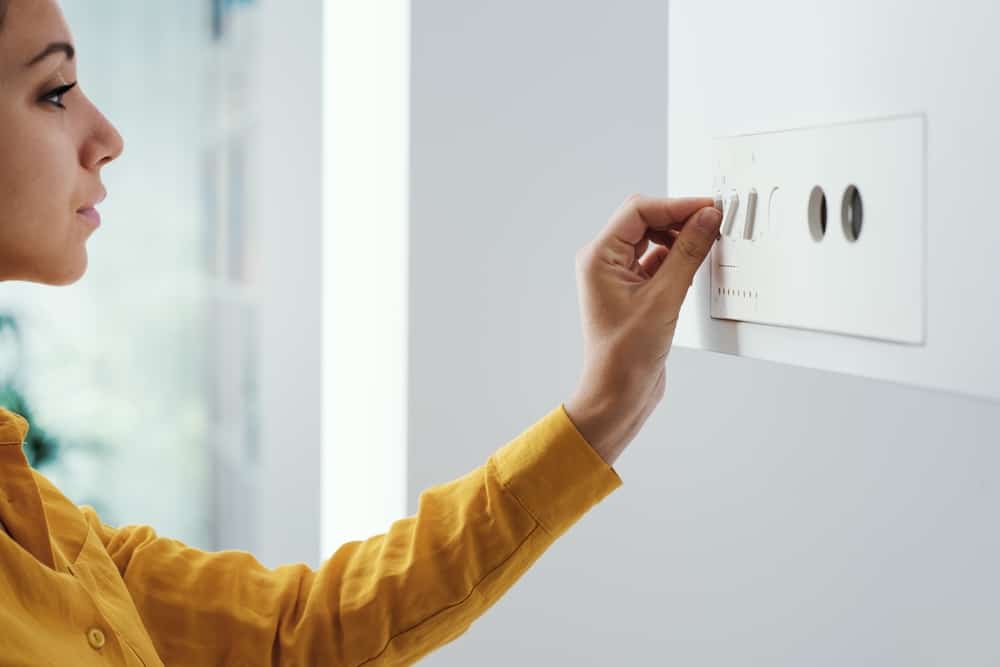
Based on the principle of convection, electric panel heaters warm up the surrounding air, which raises the room temperature. One of the advantages of electric panel heaters is their responsiveness. They warm up and then cool down quickly. This gives the homeowner control of the temperature within the property. Another feature of electric panel heaters is the variety of available styles. They can be integrated into the interior design of just about any home. Their lightweight means they can be installed anywhere and, if necessary hidden.
Still, because they hit the air, it’s easy for heat to be lost through open drafty doors. This means in an area with significant foot traffic, like a hallway, the electric panel heater will likely need to be on for longer and ultimately will cost more to heat the home. While great for smaller rooms in larger areas, they are not suitable for constant use and should be considered a supplementary heating solution.
Advantages of Electric Panel Heaters
- They quickly raise the temperature of a room
- They were a variety of options available, including wall-mounted and freestanding electric panel heater solutions
- They are highly responsive, meaning they heat up and cool down quickly
- They are perfect for short bursts of use
- They’re also lightweight and highly portable
Disadvantages of Electric Panel Heaters
- Uneven distribution of heat
- The lightweight build means they are not as durable as some other heating solutions
- Heat is lost easily
- They are not suitable for use in bathrooms or anywhere where they will be a large amount of moisture
- In most cases, they are not suitable as a primary heating solution
Storage Heaters
Storage heaters are probably the most established electric heating system. These types of radiators, in one form or another, have been around for decades. They’re designed to use electricity at night, for energy tariffs are usually lower. Their build means they charge overnight before distributing the heat throughout the day. Of course, there’s an apparent flaw with this system. If you work during the day, you likely won’t enjoy the benefits of the heaters warming up. Also, the older models have shown to be inefficient when distributing heat—having run out of charge by the evening. However, in recent years storage heaters have integrated themselves with smart technology meaning they’re taking advantage of low tariffs throughout the night and the day. Better storage facilities mean they are much more efficient when distributing heat. Storage heaters are great for apartments and flats.
Advantages of Storage Heaters
- Their robust design means that they are very durable
- They can be a cost-effective solution by taking advantage of electricity when it’s at its most economical
- They provide comfortable and effective heating throughout the day
- There are freestanding versions available along with wall-mounted versions
Disadvantages of Storage Heaters
- They may not be suitable for those who work outside the home
- There is a risk that the heating will run out by the evening
- Specific designs can be bulky and heavy and take up an excessive amount of space in a room
- The user needs to predict when they need heat in advanced
- Storage heaters require professional installation by an electrician
Infrared Panels
One of the more modern innovations in electric radiators is infrared panels. In contrast to other solutions, infrared panels don’t heat the surrounding air. Instead, they generate a radiant warmth that mimics the warmth created by our bodies and the sun. Heat travels in a wave and is absorbed by the surrounding surfaces. The heat bounces back into the room, creating a steady temperature throughout the space. This system means heat isn’t lost so easily.
The sleek Ultra Slim design is easy to install and suitable for both walls and ceilings.
Pros of Infrared Panels
- Heat isn’t so easily lost through draughts or open windows
- They directly warm up surfaces within a property
- As they don’t disturb the air, they are gentle on-air-based allergies
- They are available in a range of designs
- Slim designs mean they are incredibly space saving
- They help prevent dampness within a property
Cons of Infrared Panels
- Compared to some other varieties of electric heaters, they are expensive
- It takes a little bit longer to heat up
- Due to how the wave travels, the panels cannot be obstructed
- They may require professional installation
Electric Radiators
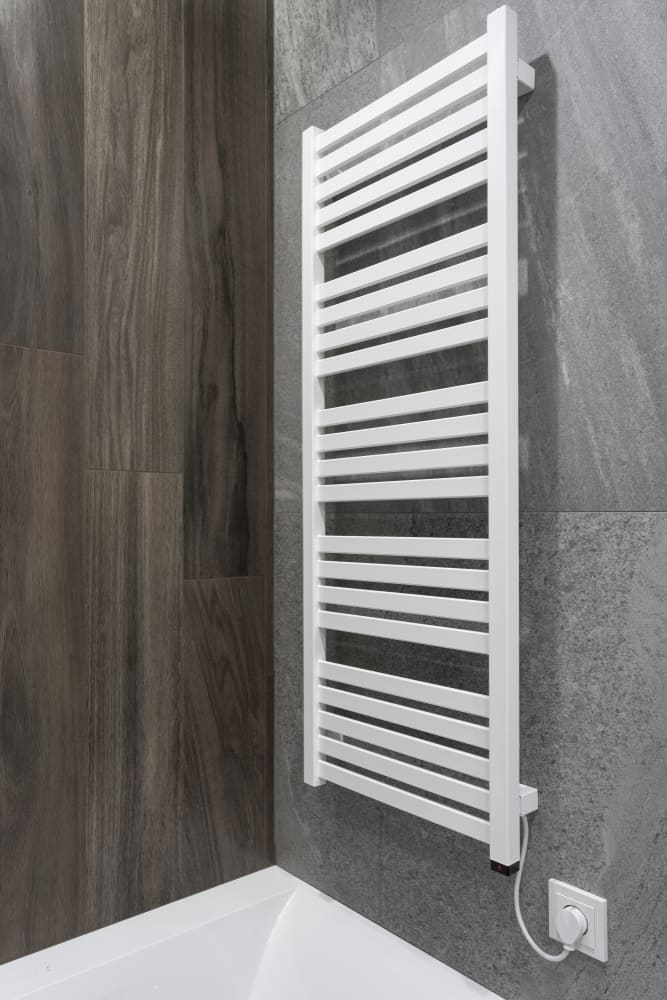
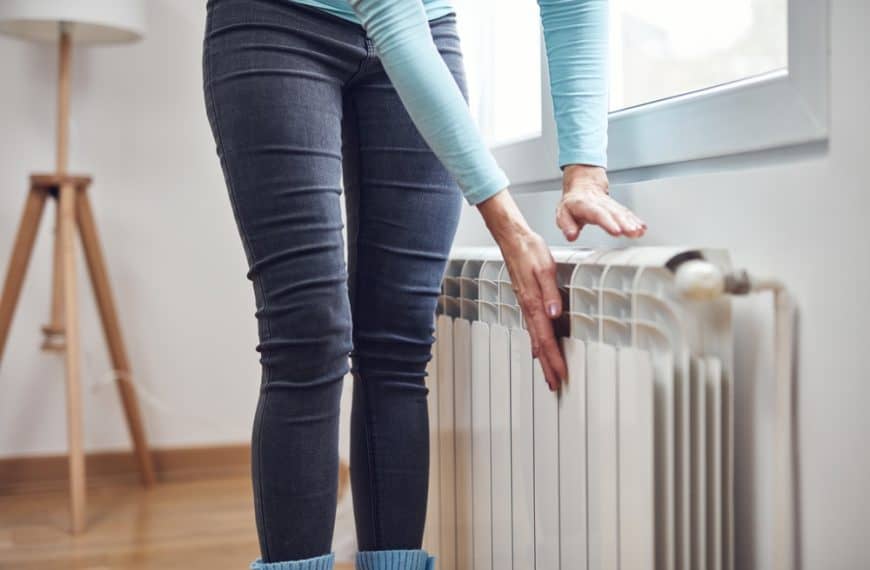
And anyways, electric radiators are very similar to central heating radiators. However, instead of using water and a boiler to create heat, electric heaters use dry heating elements or sometimes thermal oil to deliver their heat. In effect, electric heaters combine elements of convection heating and radiation. Therefore they heat up relatively quickly while offering long-lasting warmth. Depending on the design of the radiator, it can retain heat for up to 45 minutes, which keeps a radiator warm for longer. These radiators are versatile. They can be installed almost anywhere within a property and are available in an array of styles which means they can suit any interior design.
Advantages of Electric Heaters
- They have a high level of heat retention
- Most a very late and, therefore, extremely portable
- There are wall-mounted and freestanding options available
- Heat isn’t so easily lost or by draughts
Disadvantages of Electric Radiators
- Compared to some other options, they can take a little bit longer to heat up
- For wall-mounted varieties, professional insulation will be required
The above only acts as an introduction to the various electric heater options available to Irish households. We highly encourage you to research more brands and types before purchasing to ensure you get the right system for the unique requirements of your property. And when you’re ready to buy, we recommend checking out your local retailers through GetLocal. We make comparing prices and types through local businesses more accessible than ever.
When shopping for electric radiators, shop local with Getlocal.
Unique Aspects of Stelrad Radiators
- Huge range available
- Extremely functional and reliable
- Britain’s number 1 radiator brand
Electric Radiators FAQ
Q: How much does it cost to run an electric radiator?
A myriad of factors can influence the cost of running an electric radiator, including the insulation of the individual room and the size of the space. The best way to calculate the price of running an electric radiator is to find the exact voltage of the radiator and then compare this with the latest price per unit of electricity.
Q: What are the most cost-effective electric radiators?
For smaller spaces, infrared radiators are the most cost-effective electric radiators.
More On Home Heating

Comparing Stove Types
In recent years the stove has overtaken the open fire as the homely heating option of choice. There is something…