Since the dawn of time, people have been burning wood. The cradle of civilisation was probably born around a roaring wood fire. But of course, would as a fuel source was usurped by the much more dirty burning coal.
Wood burners have seen somewhat of a Renaissance these past 20 years. A few factors have likely influenced this veering back towards wood as a fuel source. First and foremost is the increasing knowledge of how environmentally irresponsible it is to burn coal. All types of coal, even no-smoke coal, have an environmental impact. Regulation around coal burning increases get tighter and will likely get to where coal is banned. Another factor that may have influenced the Resurgence of wood is an effective ban on building chimneys in new builds. In 2014, new regulations stated that all new domestic buildings had to reach a specific energy rating. This effectively made building any chimney in a new build impossible. With no chimneys, those looking for the comfort of an open fire would have turned to wood-burning stoves.
Finally, a contributing factor toward solid fuel stoves may have been the design trend of the 2010s. Hygge has become somewhat of a national obsession. This Danish term loosely translates to cosy. This move towards cosiness influenced interior design. It emphasised warmth, comfort and, of course, cosiness. This brought a renewed interest in installing wood-burning stoves to give that sense of warmth and homeliness.
However, while burning wood is more environmentally responsible than burning coal for other solid fuels, it still produces smoke. Therefore there is a carbon cost of using wood burners. And as you may have heard, recent regulations surrounding burning wood may have people assuming that firewood is going the way of coal. This article will discuss the current rules surrounding wood burning and consider what using firewood will look like in the future.
Firewood Regulations
In February 2021, the Irish health minister Eamon Ryan announced tighter regulations around wood burning. This announcement was part of sweeping reforms on how solid fuel would be burned and used in domestic properties. Intensifying regulation was focused on eventually getting to a countrywide ban on solid fuels like smoky coal, briquettes, peat and most importantly, for our purposes, wet wood.
These regulations’ stated aim was to improve overall air quality. These regulations weren’t new. These rules were an amendment to laws that already govern what can be burned in open fires and stoves.
With regulations controlling the use of wet wood, is it still legal and environmentally responsible to burn dry wood?
Is it Legal to Burn Dry Wood?
Yes, the regulations surrounding the burning of firewood only include wet wood. Wet wood, or as it is sometimes called, unseasoned wood, is still widely available in DIY stores and garden centres.
Scientists claim that wet wood releases much more PM emissions when compared to dry wood. PM or particulate matter is not a single pollutant but a mixture of different chemicals released as smoke. When we burn wet wood, liquid, solid carbon and dry fragments are released into the air, which has a detrimental effect on air quality.
Is Wood Burning Environmentally Responsible?
All burning will release smoke into the air and, therefore, will have an environmental impact. However, there are ways to limit this impact. As discussed, the best strategy is to avoid burning seasoned wood. The would you select for your stove should be seasoned dry wood from native Irish trees. Choosing Irish trees is crucial because there will be an environmental cost for imported lumber.
Suppose we compare wood to other solid fuel alternatives like coal or peat. Wood is much more environmentally friendly. The CO2 that will be released into the atmosphere while burning wood will be the same amount of CO2 that the tree processed while it was alive. So while your wood-burning stove should never be used as your primary source of heat, intermediate use of a stove won’t put undue pressure on the environment.
The future of Firewood
The future of wood as a fuel source is linked to solid fuel stoves. Technological innovations have made stoves much more environmentally friendly; new EU regulations mandate that solid fuel stoves must be at least 75% energy efficient. They will also be designed to limit PM release and reduce the amount of nitrogen oxide and carbon dioxide released into the atmosphere. From a fuel efficiency standpoint, these new stoves are much more sustainable. Their modern design means they increase the temperature at the top of the stove, limiting the number of hefty particles released into the flu. This means less carbon is released into the air.
Therefore the future of burning wood is bright. Not only can we continue to enjoy the relaxing benefits of a stove fire, but we can also do so with the knowledge that it will not harm the environment.
Types of Wood You Should Never Burn.
The above has hopefully demonstrated that although burning wood will produce smoke, some wood is much worse to burn than others. There are various wood types you should never burn in a wood stove.
For environmental reasons, some wood, like the wet wood mentioned above, will have a much more profound ecological impact. Some wood will also cause untold damage to your wood stove. Below is a list of some of the wood types you should never burn
Wet Wood/Seasoned Wood
Yes, we spoke about this before, but it bears repeating. A freshly felled tree is moisture rich and must be seasoned before being used as firewood. Wet wood produces more PM emissions and much more smoke.
Large Wood
When discovering wood, it’s essential to select logs that are appropriately sized for your wood burner. Cutting up large lumber can be difficult and time-consuming.
Softwood
Certain types of wood, like cypress trees or firs, are classed as softwood. This type of wood is easy to light, burns quickly and leaves very little ash. Unfortunately, this produces an excess amount of smoke. Softwood is an inefficient fuel and needs to be topped up regularly and should be avoided.
Driftwood
Never use Driftwood in a solid fuel stove. Driftwood is saturated with salt and, when burnt, can release toxic and harmful chemicals into the environment. The residue salt also causes untold damage to the interior of your stove.
Non-Local Wood
As previously discussed, it’s always essential to discover native Irish firewood. The transportation carbon cost will always be much higher for imported wood. So before purchasing would always ask the seller where the wood came from.
Regarding the future of firewood, it is essential to remember that it is not wood. Instead, it is the type of wood and the stove type you are using. Modern solid fuel stoves are designed with environmental protection in mind. The ecological cost is negligible when burning seasoned native Irish wood.
Therefore when you discover firewood, always select retailers selling native Irish firewood like the dealers you’ll find on GetLocal. GetLocal makes it easy to source native Irish firewood from local businesses. Compare and contrast prices on Irish firewood with GetLocal.
Firewood FAQ
Q: How do you tell the difference between seasoned wood and unseasoned wood?
Unseasoned wood will be mu h heavier than seasoned wood. Seasoned wood has had a minimum of 80% of its moisture removed. Therefore it’s lighter. Also, seasoned wood is usually lighter in colour, having a golden brown colour as opposed to the much darker shade of unseasoned timber.
Q: Should I stop firewood from getting rained on?
Yes, even seasoned wood can become statured with water if left in the rain. Therefore firewood should always be stored in a cool, dry place.
More On Home Heating
Comparing Stove Types
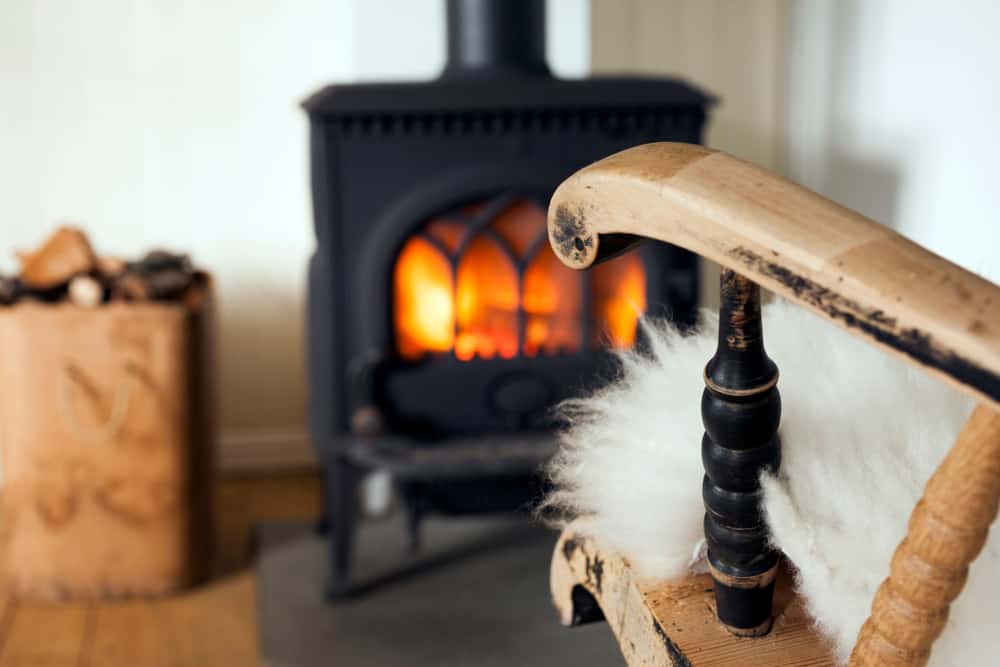
In recent years the stove has overtaken the open fire as the homely heating option of choice. There is something…