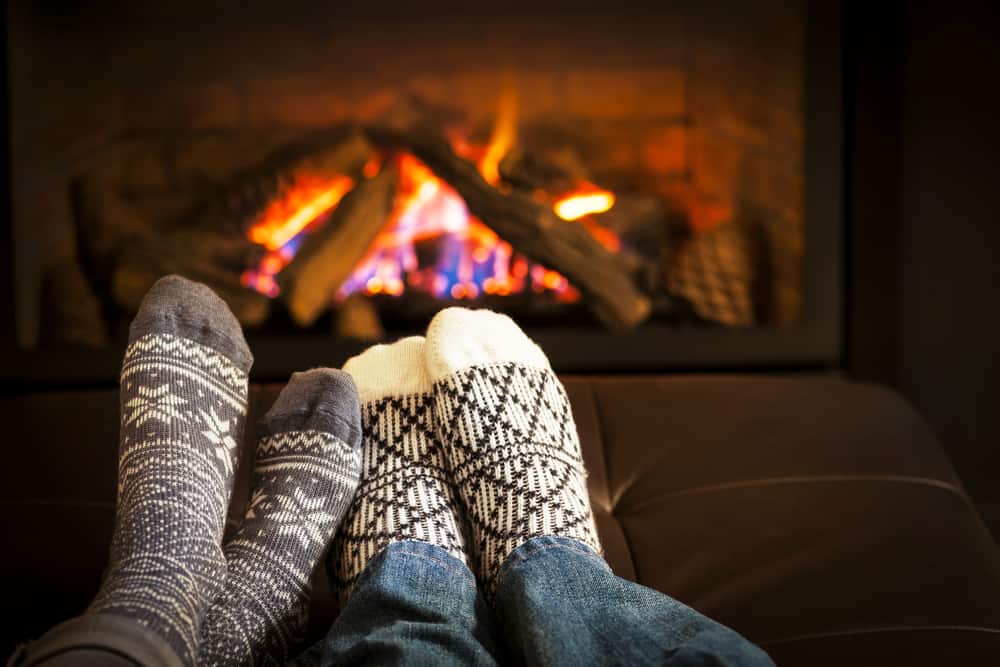
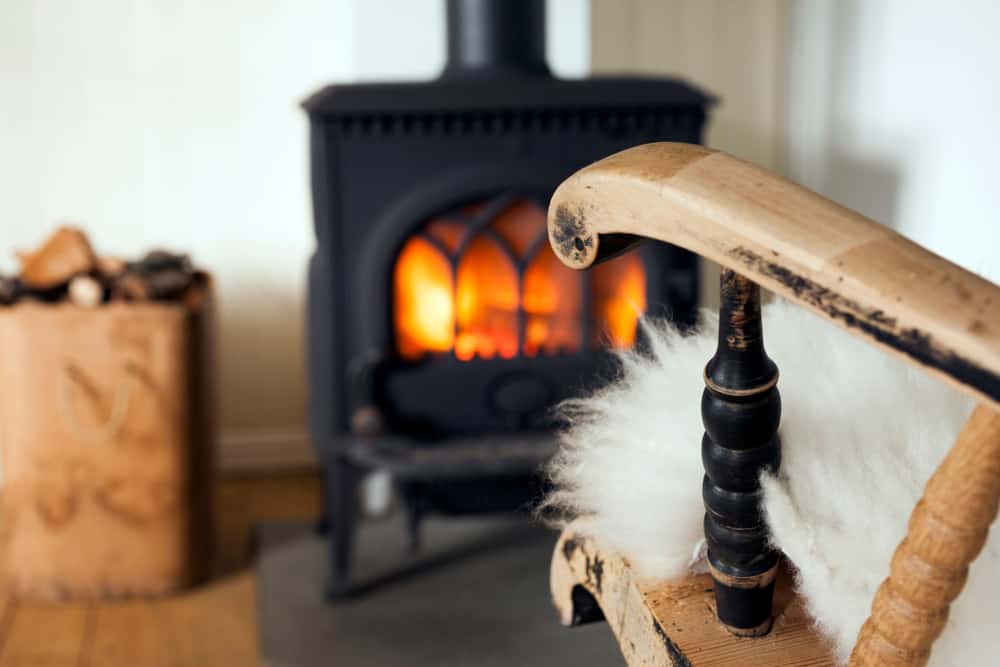
In recent years the stove has overtaken the open fire as the homely heating option of choice. There is something indescribably comforting and relaxing about staring into the open flames of a stove.
The increase in the popularity of stores can probably be attributed to many factors.
Probably the biggest is the increased knowledge of how inefficient open fires are. Most agree that about 70% of the produced heat is lost up the chimney with an open fire. This massive loss has led many to intentionally block their chimneys and replace their open fires with a stove.
Open fires are not only inefficient, but they are also more environmentally unfriendly than solid-fuel stoves. Due to changing energy-efficient building regulations, it’s now almost impossible to build an open fireplace in a domestic property in Ireland.
Where the open fireplace may be on the way out, stoves are having their moment. However, not all stoves are created equally. There are huge differences between stoves; here at GetLocal, we have teamed up with some of Ireland’s best stove retailers to give you an overview of the different types of stoves.
Different Types of Stoves
Before we begin comparing and contrasting the different stoves, we must see what types of stoves are on the market. Stoves are differentiated based on the fuel type, and the most popular in Ireland are:
- Wood-Burning Stoves
- Multi-Fuel Stoves
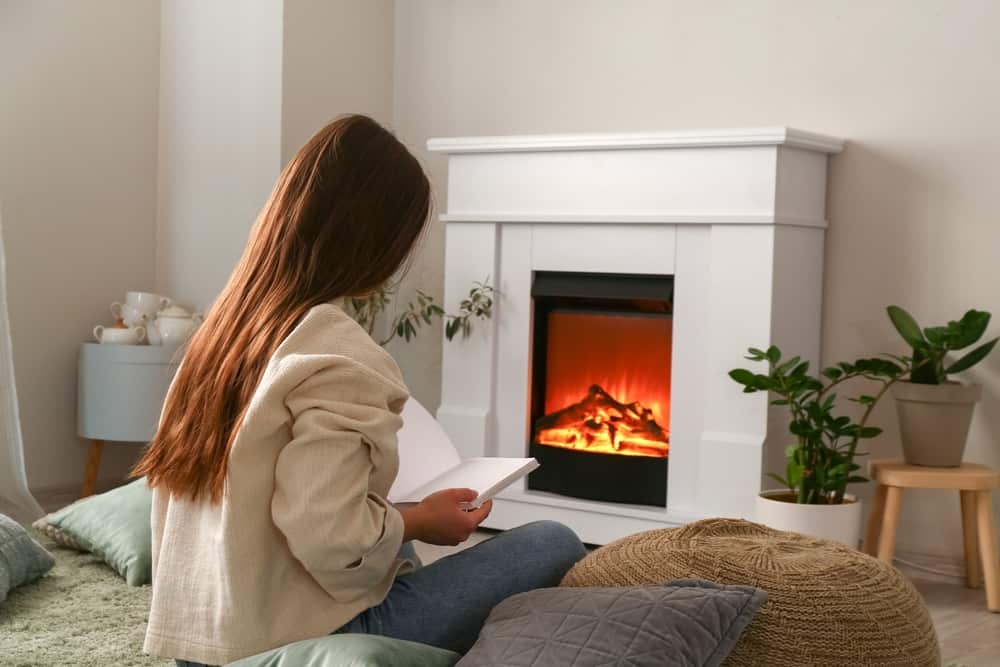
- Electric Stoves
- Gas Stoves
Wood-Burning Stoves
Wood-burning stoves closely adhere to what we think when we hear the word stove—a roaring fire encased within an iron box that’s fueled with fire logs. Wood-burning stoves have been around for decades and decades. However, in recent years they have undergone some technological updates. In conjunction with EU regulations around clean air and energy efficiency, modern wood-burning stoves release far less dangerous chemicals into the air. In terms of pure homeliness, a wood-burning stove is the closest we can get to a traditional open fire without sacrificing energy efficiency. What’s more, the simplicity of these stoves means they can be installed almost anywhere.
Advantages of Wood-Burning Stoves
- When compared to some other open-fire heating systems, wood-burning stoves are incredibly energy efficient
- Certain wood-burning stoves can be fitted with a back boiler, meaning along with heating a room, they can also heat the water in your property
- Wood-burning stoves create a warm and homely environment
Disadvantages of Wood-Burning Stoves
- Although modern wood-burning stoves are designed to emit the least amount of hazardous chemicals into the environment as possible, burning wood does produce smoke which has an environmental impact
- Wood-burning stoves do require extra maintenance when compared to some other stove options
- Removing Ash can be a difficult and time-consuming chore
Multi-Fuel Stoves
Sometimes referred to as mineral fuel stoves, multi-fuel stoves are designed to burn wood and smokeless fuel like coal. Multi-fuel stoves can be used to burn turf and briquettes. When comparing the interior of a multi-fuel stove with a wood stove, you’ll notice that most multi-fuel stoves use a grate. Fuel within the multi-fuel stove sits on this grate. Ash that falls through the gaps can therefore be collected from an under-unit tray. This makes cleaning multi-fuel easier than their wood-burning alternatives. Certain multi-fuels come with an adjustable grate along with instructions and where to set the grate to burn fuel as efficiently as possible. For example, fuel like coal burns better when sitting on a grate, while wood burns better when sitting on an ash bed. Multi-fuel stoves also allow you to burn smokeless fuel, which can be used in smoke-controlled areas like cities and towns.
Advantages of Multi-Fuel Stoves
- They are an incredibly efficient and effective way to burn various fuel types
- Due to the grate system, multi-fuel stoves are easy to clean
- During times of fuel uncertainty, a multi-fuel can supplement your home heating, allowing you to make savings on your annual energy bills
- Modern multi-fuel stoves are available in a range of sizes, shapes and colours, meaning they are fully adaptable to just about any interior
Disadvantages of Multi-Fuel Stoves
- Fuel sources like coal produce harmful chemicals when burned
- Depending on the fuel source you’re using, they can be expensive to run
Electric Stoves
When it comes to pure convenience, no stove option can beat the electric stove. Instead of fumbling with solid fuel or trying to ignite a pilot light with an electric stove, you plug in and begin enjoying the heat. This means electric stores are straightforward to install. They don’t require a flue and don’t require any maintenance. Modern electric stoves are also available in various sizes, colours and shapes. Moreover, the flame effect technology of many electric fires means they are virtually indistinguishable from a real fire.
Advantages of Electric Stoves
- The ease of installation of an electric stove means that it can be installed just about anywhere
- They don’t require the emptying of ash
- Electric stoves are long-lasting and don’t require any maintenance
- They are the most environmentally friendly of all stove options
Disadvantages of Electric Stores
- They can be expensive to run over long periods, meaning they may not be suitable as a primary heating source within a home
- During a power cut, the electric stove can’t be used
Gas Stoves
As the name implies, gas stores use natural gas as their fuel source. Most modern gas stoves are integrated into a home’s central heating system, meaning these types of stoves are easy to use. They don’t need to be topped up with additional fuel. Much like a gas boiler, a gas stove ignites natural gas with a pilot light. The heat produced is directed out into a room. Despite gas price fluctuations, these stoves are typically the most economically friendly to run. Their efficiency means they produce quite a lot of heat, making them suitable for large rooms within a property.
Advantages of Gas Stoves
- They are energy efficient and cheap to run
- They are powered with gas, so they don’t need to be topped up with any external fuel
- They require very little maintenance and don’t need to be cleaned after use
Disadvantages of Gas Stoves
- As they need to be integrated with the gas central heating system, they can be difficult and expensive to install
- The price of running a gas stove is based on the ever-changing global gas market
The above is just an introduction to the various storage types available on the market. GetLocal recommends speaking to retailers and installers about the right stove for your property. When you decide which stove is right for you, you should always discover local. GetLocal makes it easier than ever to compare stoves between different retailers. You can save on delivery costs by purchasing from a local business while supporting your community’s economy. When discovering a stove, discover local with GetLocal.
Stoves FAQ
Q: How do I light a wood-burning stove for the first time?
When using your wood-burning stove for the first time, you should only light a small fire. Residue materials from the manufacturing process, glues, plastics, etc., will still be present. They will need to be carefully burned away. It takes 4 to 6 hours for a wood-burning stove to be burnt.
Q: What fuel should be burnt in a multi-fuel stove?
Always check the manufacturer’s recommendations before adding any new fuel to a multi-fuel. However, generally, the materials burnt in these types of stoves include:
- Wood
- Peat
- Briquettes
- Coal
- Smokeless Coal
More On Home Heating
Comparing Stove Types
In recent years the stove has overtaken the open fire as the homely heating option of choice. There is something…