As mentioned, there are many home heating solutions to choose from. Instead of trying to evaluate each one – which would likely turn this piece into the War and Peace of Internet articles – we’ll focus on some of the more popular home heating solutions, like:
- Radiators
- Electric Radiators
- Vertical Radiators
- Dimplex Electric Fires
- Boilers
- Stoves
Reader note. We aren’t going to be making any specific recommendations. Instead, we’re going to focus on what’s considered the general pros and cons of different home heating systems.
Radiators
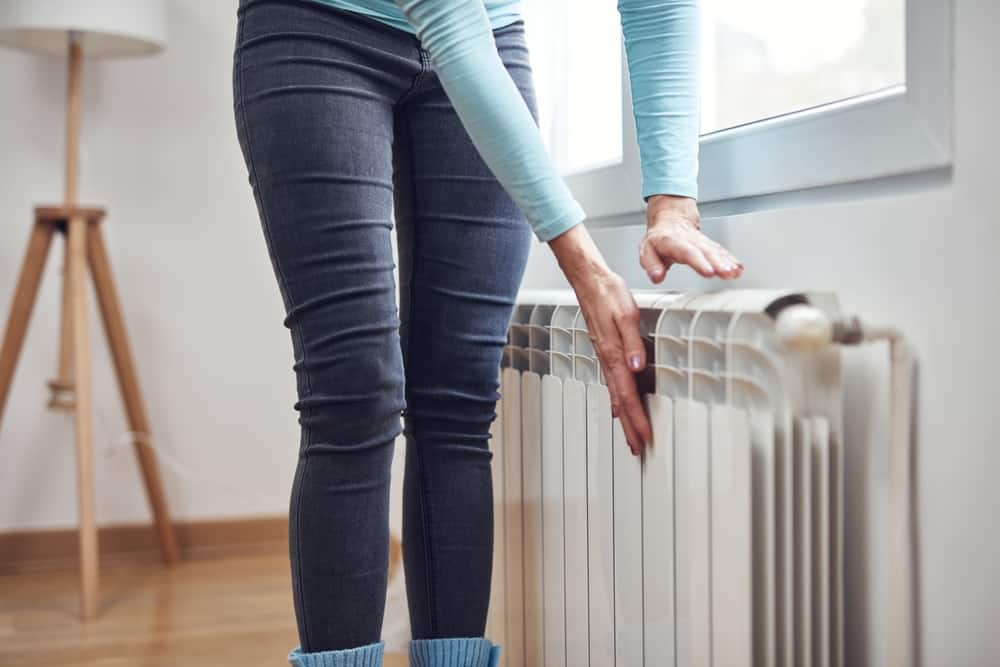
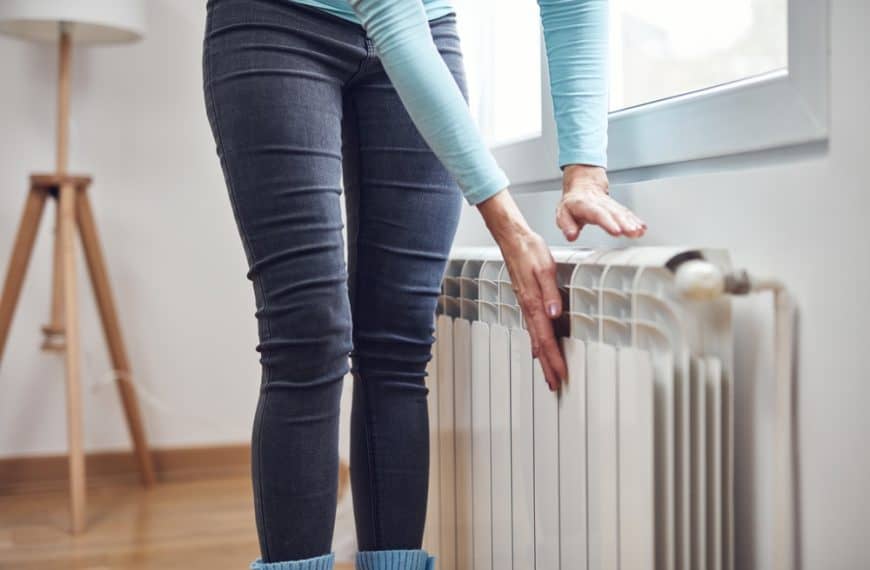
Comparing Radiator Manufacturers & Brands
In many ways, radiators are much like the boilers that heat them; we tend to ignore them until they break. Yes, although every room in a house is more than likely adorned with a radiator, we become blind to them.…
Let’s start with the most common home heating system, the radiator. Any home fitted with gas or an oil heating system will use radiators.
For the unindicated, radiators work based on a heat transfer system called convection. Water within the radiator is heated up, causing the air around the radiator to become hot, thus heating up the surrounding areas.
In the past, most radiators were made of cast iron. Unfortunately, this type of metal was a poor conductor of heat. Today, most modern radiators are made from steel. While you may still find some cast iron radiators, the radiator in a home is much more likely to be aluminium, mild steel or stainless steel.
Pros of Radiators
- Stainless steel radiators are tolerant of even the most extreme heat.
- They can be customised and sized for any sized room or property.
- Their robust build and design mean they can be regularly cleaned and power flushed with no damage to the interior
Cons of Radiators
- The installation of radiators is a significant investment
- Reliance on fossil fuels means they are hardly the most environmentally friendly option.
- Radiators can become clogged with lime scale and sludge, necessitating a complete power flush
Electric Radiators

Comparing Electric Radiators
Do electric radiators have a bad reputation? It would certainly appear so. Check any estate agent’s website, and you’ll notice that properties with electric heaters are a little cheaper. As though electric heating is a compromise rather than a feature…
Commonly found in apartments and smaller properties, electric radiators are becoming increasingly popular in Irish households. While still mired in speculation about being particularly expensive compared to gas and oil, electric heating bills are often comparable to their fossil fuel alternatives. Modern electric heaters use smart technology to build up and store heat in the most economical way possible. The advanced build of these radiators also means they are more efficient than ever. Even comparing today’s electric radiators with the types from a decade ago, you’ll see today’s versions use much less electricity to produce the same amount of heat.
Continuing innovation means more versions of electric heaters than almost any other home heating solution. Electric radiator types include:
Convection Radiators
- Fan Heaters
- Storage Heaters
- Oil Based Electric Radiators
- Infrared Radiators
Pros of Electric Radiators
- Most systems are straightforward to fit, leading to low installation costs
- They require very little maintenance
- They don’t require pipework or the services of a plumber
- Can take advantage of low tariff electricity costs
Cons of Electric Radiators
- In the event of a power cut, your home will be without heating
- Even when taking advantage of low tariffs, electricity is still an expensive power source
- Can be slower to heat up when compared to gas or oil-powered radiators
Vertical Radiators
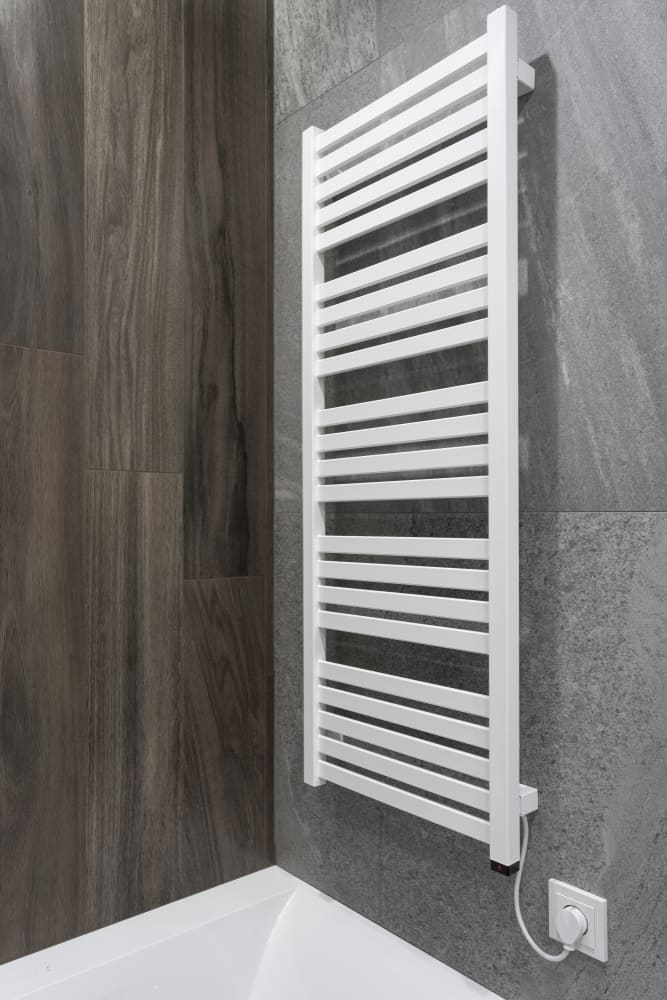
What you need to Know About Vertical Radiators
Regarding style, few radiator options – excuse the pun – radiate the kind of elegance of vertical radiators. While offering comparable heating to the more traditional horizontal radiators, this home heating solution brings an aura of luxury to any home’s…
Most radiators in Irish homes still follow the Victorian tradition of running horizontally across the wall. That being said, vertical radiators are becoming increasingly popular. When viewing the aesthetics of these radiators, it’s little wonder to see why they are the radiator of choice for many. Vertical radiators offer a fresh, modern aesthetic and work well in a contemporary designed home. They are also available in various styles and colours and can be integrated into just about any room. They are also space-saving and require fewer pipes than traditional horizontal radiators.
Pros of Vertical Radiators
- Vertical radiators are just as efficient as horizontal radiators.
- Their slim design means they are versatile and can be installed in more places than a horizontal radiator
- There are a vast variety of styles available that can be integrated into the interior design of a home
Cons of Vertical Radiators
- Swapping from horizontal to vertical radiators can be a costly and complex process
- May clash with the décor in a classically decorated home
- Anyone who needs to keep their gym’s noise levels to a minimum
Dimplex Electric Fires
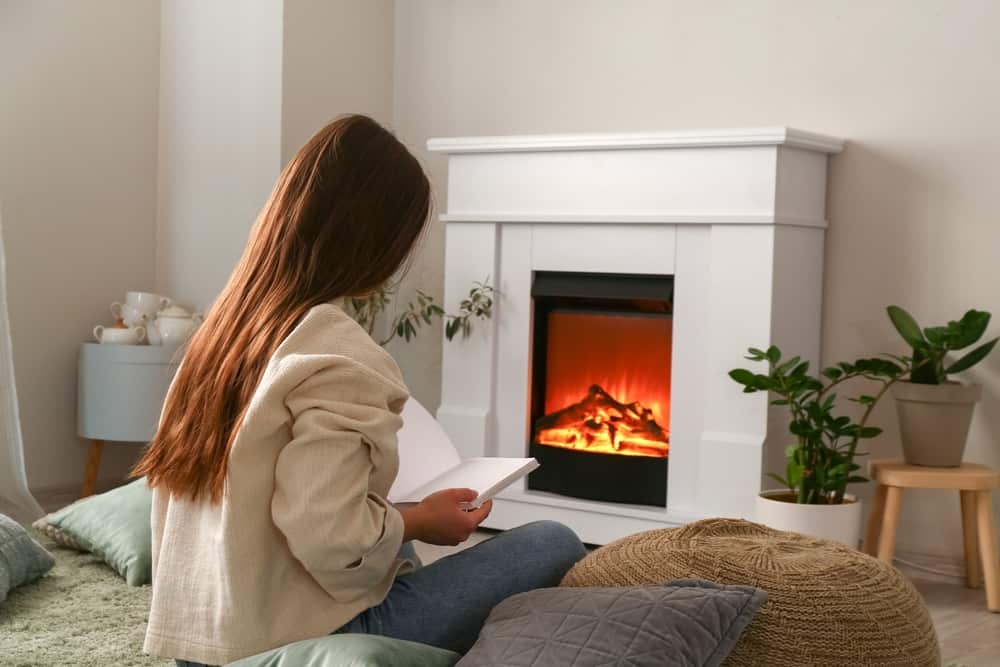
Exploring Dimplex Electric Fires
There are no two ways about it. There is something unquestionably romantic and comforting about an open fire. Here in Ireland, a roaring fire is associated with family, endless winter nights, and a sense of homeliness. However, as we move…
Dimplex fires remain extremely popular in Irish homes. Dimplex has been manufacturing home heating solutions for over 70 years. To this day, they remain the world’s largest electric heating appliance manufacturer.
With Dimplex electric fires, customers know they have purchased a quality product known for its robust design and energy-efficient.
Pros of Dimplex Electric Fires
- Easy to Install in all types of properties
- They are designed to be easy to operate
- They are energy-efficient
Cons of Dimplex Electric Fires
- These fires can’t be used during a power outage
- Have a limited number of places they can be installed in a home
Boilers
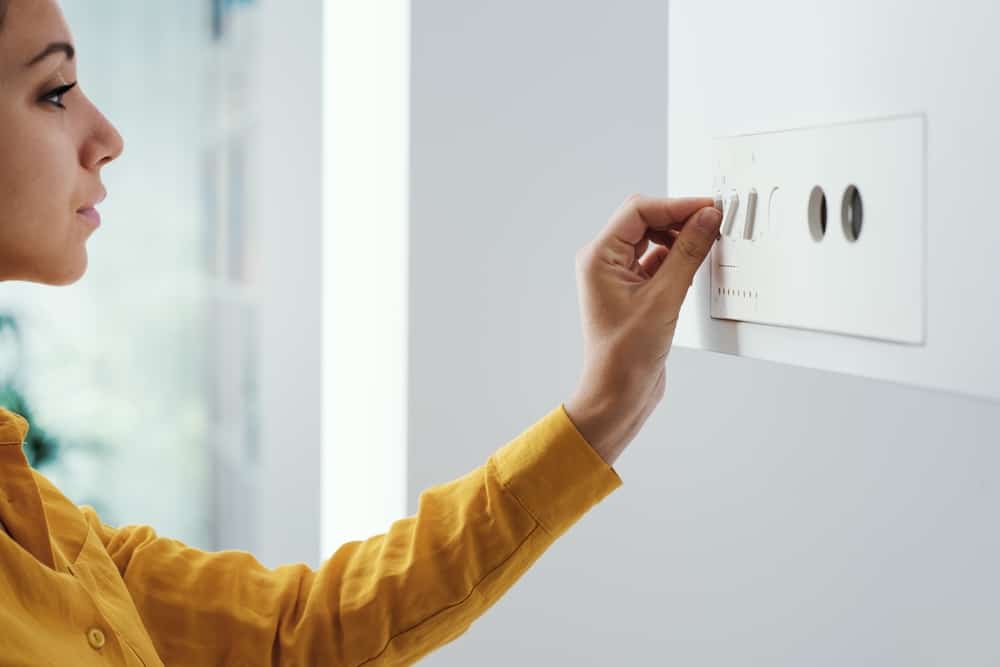
Oil & Gas Boiler Myths Exposed
Despite their prevalence in homes all over Ireland, there remains a considerable number of myths surrounding oil and gas boilers. As any plumber will tell you, almost everyone harbours at least one misconception about boilers. The ubiquity of half-truths, misinformation…
Boilers are the most common home heating solution in Irish homes. Boilers are fossil fuel-dependent heating systems that either run on gas or oil. Even with the ever-changing price of gas and oil, modern boilers are still economical to run over time. The efficiency of these systems means they can heat a home for the absolute minimum amount.
Pros of Boilers
- Cheap to run
- Usually have a long service life
Cons of Boilers
- They use fossil fuels so they aren’t environmentally friendly
- Boilers will need to be serviced at least once a year
- The cost of running a boiler is subject to the very changing price of gas or oil
Stoves
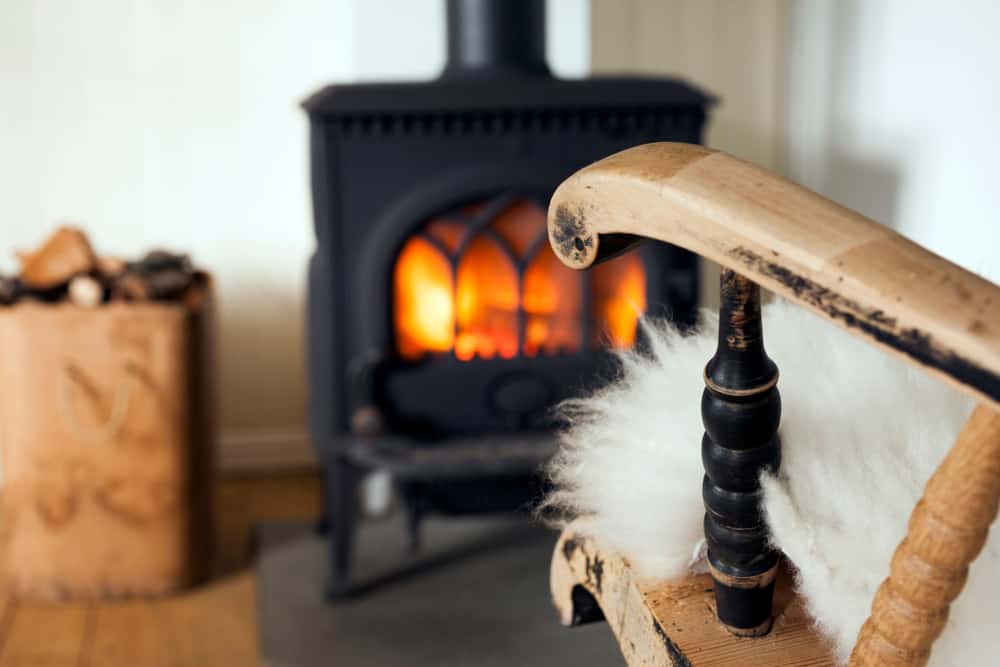
Comparing Stove Types
In recent years the stove has overtaken the open fire as the homely heating option of choice. There is something indescribably comforting and relaxing about staring into the open flames of a stove. The increase in the popularity of stores…
There is a multitude of stove options available to the average Irish homeowner. There are electric stoves, gas-powered stoves and, of course, the ever-popular multi-fuel stove that uses firewood as a fuel source.
When compared to fireplaces, stoves are much more energy efficient. It’s estimated that 80% of the heat is pushed back into the property. This is considerable compared to a fireplace, where most of the heat is lost up the chimney. The aesthetics of a burning fire on a stove is incredibly comforting and homely, which may explain their continuing popularity.
Pros of A Stove
- Largely energy efficient
- They create a homely and inviting environment
- Available in a range of styles and shapes
Cons of a Stove
- Solid Fuel Stoves require regular cleaning
- Usually not suitable for smaller properties
- Gas and multi-fuel stoves can be expensive to install
The above is just an introduction to some of the home heating solutions available on the Irish market. When ordering everything from a stove to an electric radiator is always best to avoid high delivery costs by discovering local. GetLocal makes it easy to compare home heating solutions between different retailers.
Think local and discover local with GetLocal.
Home Heating Solutions FAQ
Q: What is the best home heating solution?
This depends on the property and on how you evaluate a heating system. To you, is the best heating system the cheapest, the cleanest burning or the most effective in heating a property? Before making a decision, it is important to have a concrete idea of what you expect from the system and then make a decision based on your individual criteria.
Q: How often do I need to get a home heating system serviced?
It’s always important to defer to the manufactures recommendations. However, as a general rule, you should schedule a service annually for a gas or an oil home heating system. Your warranty may cover regular maintenance if you have installed a new system.
Q: I want to replace my radiators. Which are better horizontal or vertical radiators?
The shape of your room will dictate the best radiator type. Smaller rooms with limited floor space may be better suited to vertical radiators, while larger rooms will benefit from traditional horizontal radiators. Before making a decision, it’s best to speak to a professional installer who can make recommendations based on the needs of your property.
More On Home Heating
Comparing Stove Types
In recent years the stove has overtaken the open fire as the homely heating option of choice. There is something…