Let’s get started with cardio. Every home gym needs at least one dedicated cardio machine. While gyms offer a dizzying selection of machines designed to increase cardiovascular conditioning, we recommend purchasing a Treadmill, exercise bike and rowing machine for your gym. While all these machines will help with overall fitness, each target a different muscle group. A treadmill engages the quadriceps, hamstrings, calves and glutes. A treadmill can also work the abdominals depending on the speed you run at.
An exercise bike targets many of the same muscles; however, the spinning action puts greater stress on a person’s core while also engaging the back. The unique pedaling movement engages the thighs and calves differently, leading to faster fitness improvements.
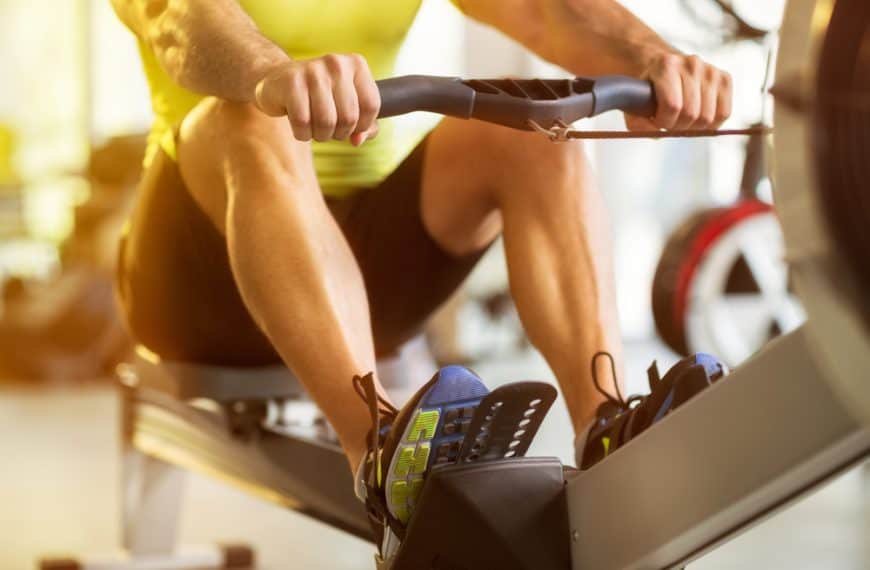
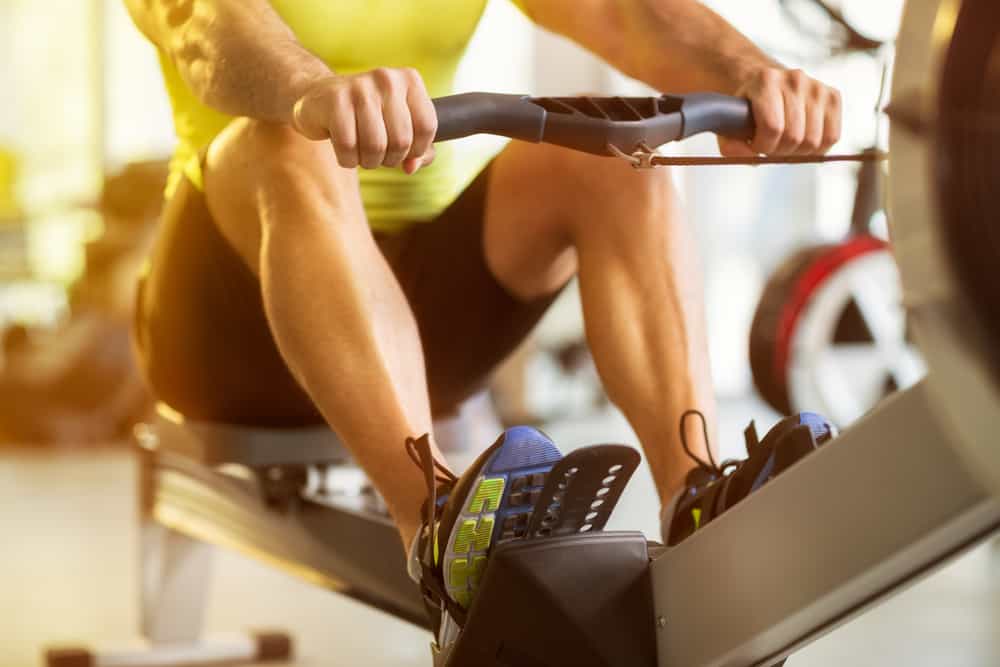
Finally, the rowing machine offers one of the most intense machine cardio workouts. The rowing motion engages both your upper body and lower body. After a few strokes, you’ll feel your deltoids, lats, core, quadriceps, and glutes burn.
While all three of these machines can form the centrepiece of an effective cardio plan choosing the right machine type can be a little more complicated. To make selecting the right machine easier, we’ll align the machine type with your unique fitness goals.
Treadmills
Everything you need to know about a treadmill before you buy
Is there any piece of exercise equipment more ubiquitous than the treadmill? No, is the answer to that question. For nearly 70 years, treadmills have remained the biggest-selling piece of exercise equipment in the world. Treadmills have also been around…
Manual Treadmill
The manual treadmill is a common sight in home gyms throughout Ireland. Manual Treadmills are inexpensive, light and easy to move around. Instead of a motor, a manual treadmill utilises a belt and roller system. The belt moves as the user runs. Therefore you can’t set a tempo. Advanced curved belt manual treadmills have become popular in CrossFit gyms and performance centres, as they’re used to develop speed and explosiveness.
Manual Treadmills are recommended for:
- Individuals starting or hoping to get back into exercising
- Higher-performance manual treadmills are great for individuals seeking to improve sporting performance
Motorised Treadmill
Motorised treadmills are usually fitted with two types of motors. Either a DC Motor (Direct Current) or an AC motor (Alternating Current). Direct current treadmills are generally quieter than their AC alternatives. However, AC Motors are sturdier and tend to last a little longer.
A motorised treadmill allows a runner to set their tempo. Some of these treadmills also enable the runner to set an incline, adding challenge to their run.
Motorised Treadmills are recommended for:
- Those looking to lose weight
- Experienced runners interested in supplementing their training
Folding Treadmill
A home gym will always have space limitations. Therefore a folding treadmill may be an elegant solution. For people working from home, folding treadmills can supplement a standing desk.
Folding Treadmills are recommended for:
- Home workers looking to increase their daily step count
- Home gyms with limited space
Commercial Treadmills
Commercial treadmills, e.g. those found in gyms and performance centres, offer the best running experience. They provide a powerful, robust motor, impact protection to prevent injury and integrated technology to make tracking a run easy. Most commercial treadmills are prohibitively expensive, but they are the best option for serious cardio kings.
Commercial Treadmills are recommended for:
- Serious distant runners
- Running families where several runners will use the treadmill regularly.
Exercise Bikes

Comparing Exercise Bike Types
The exercise bike is second only to the treadmill in popularity. Spare rooms, back kitchens and garden sheds countrywide usually have an exercise bike tucked into a dusty corner. It’s little wonder why exercise bikes are so popular. After all,…
Upright Bikes
These exercise bikes mimic the feel of actually cycling. They encourage the user to either sit or stand while pedalling. Pedals are positioned directly underneath the body, promoting a forward lean form, i.e. the form most road cyclists adopt.
Upright Bikes are recommended for
- Those looking to improve their cycling performance
- Anyone looking to improve overall cardiovascular health
Recumbent Bikes
Recumbent bikes are a relatively new piece of exercise equipment designed to ease the pressure on the lower back while pedalling. The user sits in a reclined position on a wider seat than what’s found on an upright bike. The pedals are placed forwards, meaning less joint stress.
Recumbent Bikes are recommended for
- Those returning to exercise from injury
- Those with lower back pain
Spin Bikes
With the rise of spin classes, spin bikes or indoor bikes — to use the non-trademarked name — are built for quick and easy speed alteration. Built with a free rotating flywheel, spin bikes offer an exceptionally smooth ride.
Spin bikes are recommended for
- Those training for long cycles
- Those looking to improve cardiovascular health
Rowing Machines
Comparing Rowing Machine Resistance Types
When discussing rowing, there probably is no finer assessment of the sport than the explanation offered by a famous pair of Cork Olympians. ‘It isn’t too complex really, just A to B as fast as you can go. Close the…
Air Resistance Rowing Machine
Air Resistance Rowing Machines use a free-spinning flywheel to create resistance. The user pulls the handle, which spins the flywheel. The harder the user pulls, the greater the wind resistance.
Air Resistance Rowing Machines are recommended for
- All levels of fitness
- Rowers seeking off-season training equipment
Magnetic resistance rowing machines
These machines combine air resistance with the strength of magnetism. A magnet can be paced by a flywheel to increase or decrease resistance. This system is typically much quieter than an air resistance machine.
Magnetic resistance rowing machines are recommended for
- Individuals looking to improve cardiovascular health
- Anyone who needs to keep their gym’s noise levels to a minimum
Water Resistance rowing machines
Probably the closest a rower can get to stimulating being on the water. Water resistance uses paddles that move through the water to create resistance. The faster the rower pulls, the more significant the resistance.
Water Resistance rowing machines are recommended for
- Serious rowers
- Those interested in joining a growing team
More Exercise Equipment Advice

Overview Part 1: How to Become a Cardio Superstar
Let’s get started with cardio. Every home gym needs at least one dedicated cardio machine. While gyms offer a dizzying…