When discussing rowing, there probably is no finer assessment of the sport than the explanation offered by a famous pair of Cork Olympians.
‘It isn’t too complex really, just A to B as fast as you can go. Close the eyes and pull like a dog. ‘
Perhaps the above quote side-steps the nuances of rowing technique and the herculean effort it takes to become an Olympian. Still, you can’t argue with a quote that became a viral sensation.
You may not have access to the Atlantic Ocean or Cork’s famous rivers but you can still take advantage of the health benefits of rowing by purchasing a home rowing machine.
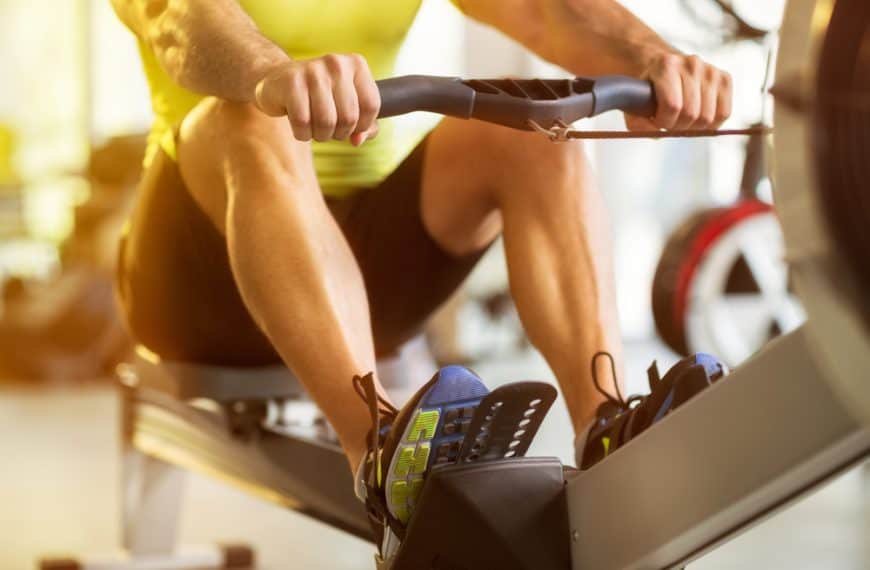
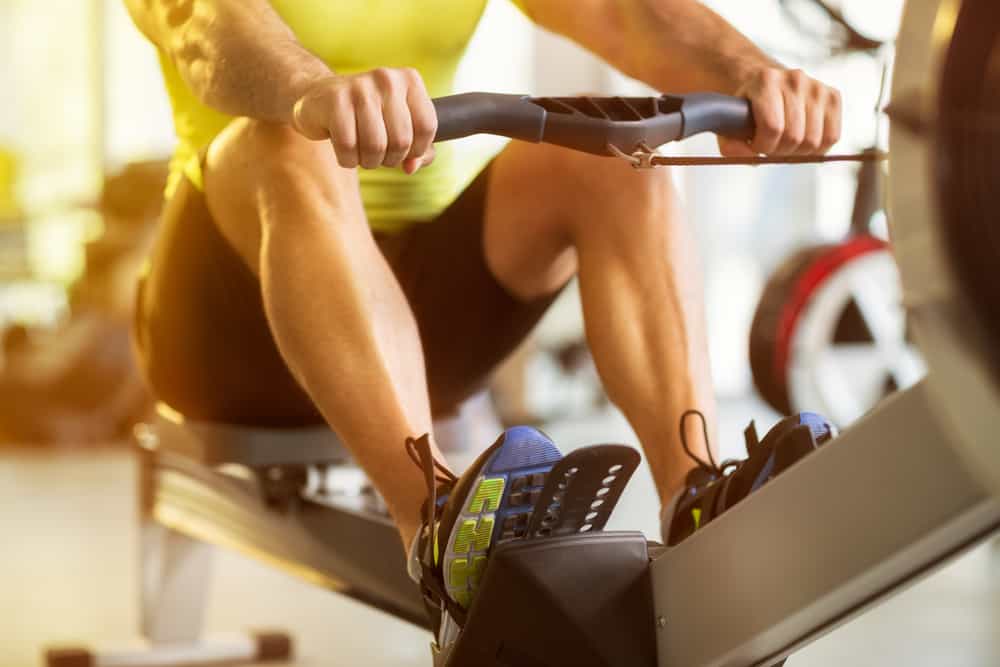
In many ways, rowing machines are unique in the cardio machine field. In comparison to treadmills and exercise bikes that concentrate on the lower body; a rowing machine targets both the legs and the upper body. In particular, they target the shoulders, back, glutes, thighs and calves. What’s more, the core also gets an intense workout while rowing.
We can’t guarantee that exercising on a rowing machine will lead to Olympic glory and lifelong status as national treasures; but we can promise an intense and effective workout.
Before you rush out and discover your first rowing machine, it’s best to understand the various machines on the market. The differentiating factor when it comes to rowing machines is the resistance type. If you don’t know your water resistance from your air resistance, you’ve come to the right place. We’ll examine each rowing machine type and discuss its pros and cons. But before we compare machine types, let’s discuss the health benefits of rowing.
The Health Benefits of Rowing Machines
Total Body Workout
As discussed in the opening paragraph, rowing is a total body workout. Unlike some other cardio machines, rowing machines target your body’s major muscle groups, including your quadriceps, calves and glutes. And that’s only your lower body. On the upper body, the targeted muscles include your pictorials, abdominal muscles, obliques and arms. With a rowing machine, you get real bang for your workout buck.
Suitable For All Fitness Levels
Using a rowing machine is suitable for people of all fitness levels. By adjusting the level of resistance, everyone from people beginning their fitness journey to those who regularly exercise will get a tremendous and beneficial workout. Various studies have deemed rowing machines safe for those with visual impairments. A study conducted on people with specific visual impairments who rowed for five days saw a significant increase in their cardiovascular health and reduction in their body fat.
Great for Losing Weight
As we mentioned, the rowing machine is an all-over body workout. That means you burn much more calories when using a rowing machine than when using other cardiovascular machines like exercise bikes and treadmills. More muscle engagement burns more energy. The more energy you burn, the more fat you can potentially lose.
Heart Health
An effective cardiovascular workout like rowing helps to increase your heart rate, which increases blood flow and reduces the risk of certain diseases. Regularly using a rowing machine is a great way to protect heart health.
Low Impact
Regular outdoor jogging or long-term weight training can affect joints, especially in the knees and hips. A rowing machine is is much more low impact movement. Low-impact exercises help to minimise joint wear and tear. What’s great about a rowing machine is you can have an intense workout while still protecting your body.
Builds Power and Endurance
Rowing helps to increase both a person’s strength and endurance levels. In exercise parlance, power is defined as your ability to exert maximum force in a short period. Think sprinting, hitting a punching bag or whacking a siltor. Rowing machines are an excellent way to increase the power your body can exert. Moreover, rowing is a cardiovascular exercise, so it helps build endurance.
Meditative Properties
Of course, good health is not all to do with our bodies. Everyone should pay just as much attention to their mental health as their physical health. Many rowers cite the meditative properties of using a rowing machine. The repeated simple movements and the rather soothing sound of a flywheel turning or paddles slashing through water can be surprisingly relaxing.
Different Types of Rowing Machines
The above has hopefully given us a greater appreciation of how beneficial a rowing machine can be. However, it’s best to take a little time and do some additional research on rowing machines before purchasing one. We’ll discuss each type in detail to ensure you pick a suitable rowing machine for your unique needs.
The difference between rowing machines is the resistance type they offer. Machines fall into the below categories:
- Air resistance rowing machines
- Magnet resistance rowing machines
- Air/Magnet resistance rowing machines
- Water resistance rowing machines
- Hydraulic piston resistance rowing machines
Air Resistance Rowing Machines
Air Resistance rowing machines are probably the most popular type and are typically used in commercial gyms. The resistance is created by wind. A flywheel spins when the rower pulls on the handle. The harder the rower pulls, the greater the resistance. This intuitive system allows the rower to control the resistance level.
The pros of an air resistance rowing machine
- The resistance is created based on the rower’s stroke rate
- The resistance variability effectively mimics what it’s like to row on the water
- Typically long-lasting as the resistance mechanism creates little wear and tear
The cons of an air resistance rowing machine
- A spinning flywheel creates a lot of noise
- The wind created can blow over stacks of papers, pictures or ornaments
Magnet resistance rowing machines
Magnet resistance rowing machines use a more complex resistant method. A magnet inside the device is set closer or further away from a spinning flywheel. The closer the magnet is to the flywheel, the more resistance it creates. Unlike air resistance machines, magnet resistance rowing machines are almost silent.
The pros of a magnetic resistance rowing machine
- They are quiet compared to some other rowing machines
- Easy to adjust the resistance levels
- Little maintenance required
- Usually a lot thinner than some other rowing machine varieties
The cons of a magnetic resistance rowing machine
- Typically, there are a lot longer than other rowing machines, so they may require more floor space.
- They don’t replicate what it’s like to row on the water. Therefore, they are not suitable for outdoor rowers looking to supplement their training.
Air/Magnet Resistance Rowing Machines
As the name suggests, air and magnet resistance rowing machines combine these resistance types. Resistance is created by air, so the harder the rower pulls, the more resistance they’ll feel. The magnet also can be used to increase the overall resistance level.
The pros of an air/magnet Resistance rowing machine
- Great for those looking for a very intense workout
- The air resistance mimics what it feels like to row in the water.
The cons of an air/magnetic resistance rowing machine
- The spinning flywheel can be quite noisy
- Some models are expensive
Water Resistance Rowing Machine
These aesthetically pleasing water resistance rowing machines use a tank of water to create resistance. When the rower pulls, paddles turn inside a water tank. The water, therefore, creates resistance. As you would expect, this resistance type feels like outdoor rowing.
The pros of water resistance rowing machines
- Fairly quiet to use
- The whoosh sound of the water can be very relaxing
- Allows for a smooth and consistent stroke
- Requires very little maintenance other than occasionally changing the water in the tank
The cons of resistance rowing machines
- Usually, they are a little bit more expensive than some of the other rowing machine varieties
- They are also relatively large, meaning you will require additional floor space
Hydraulic Piston Resistance Rowing Machine
The hydraulic piston resistance rowing machine is the Black Sheep of the rowing family. Resistance is created using a piston system. Some of these rowing machines come with individual handles, allowing a rower to exercise each arm individually.
The advantages of the hydraulic piston resistance rowing machine
- The ability to work out arms individually can assist with addressing a muscle imbalance
- Very quiet to use
- Usually extremely affordable
- Great for those recovering from injury or undergoing physical rehabilitation
The disadvantages of the hydraulic piston resistance rowing machine
- For long workouts, pistons can become overheated
- The compact design of these machines means they can be uncomfortable for tall or heavy rowers
Hopefully, the above pros and cons list has given you a better idea of what rowing machine is suitable for your needs. No matter what model you choose, you will soon reap the benefits of regular exercise. When purchasing a rowing machine, it’s always best to compare and contrast prices between local retailers. GetLocal makes it easy to compare rowing machine products between local retailers. Support local sport retailers with GetLocal.
Exercise Equipment Advice

Overview Part 1: How to Become a Cardio Superstar
Let’s get started with cardio. Every home gym needs at least one dedicated cardio machine. While gyms offer a dizzying…