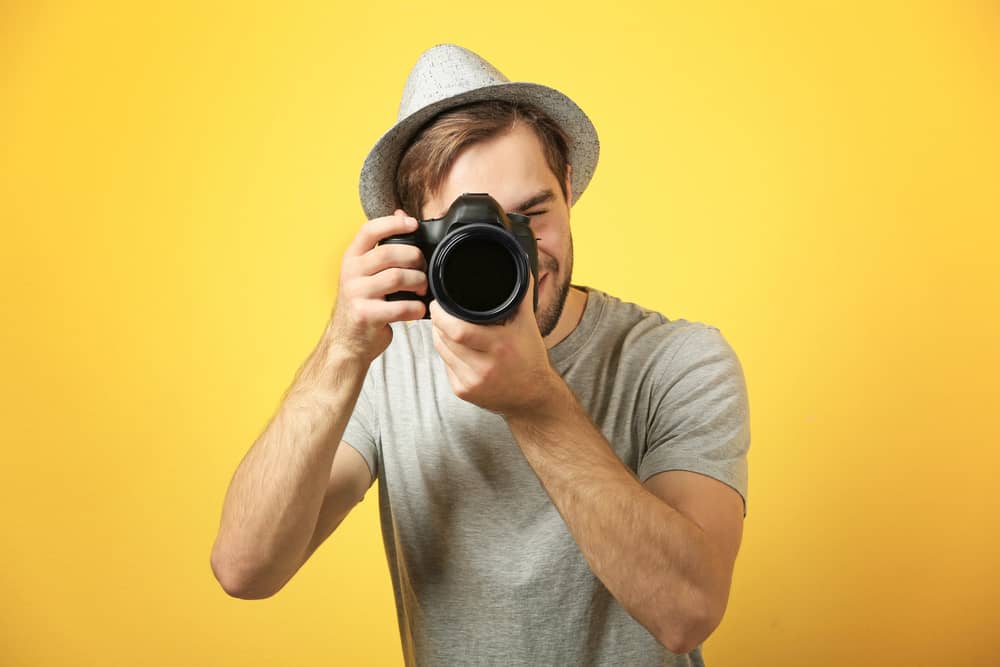
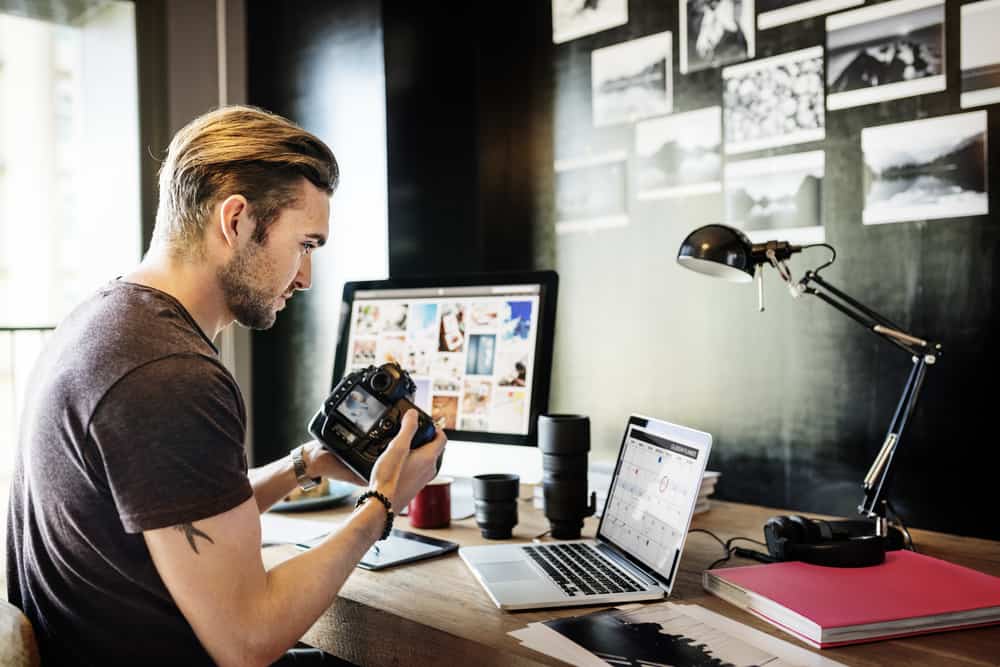
“Photography is a way of feeling, of touching, of loving. What you have caught on film is captured forever. It remembers little things, long after you have forgotten everything.”-Aaron Siskind. Seeing the beauty of the world through a lens is a beautiful gift. Wanting to be able to fine-tune that gift is an ongoing passion project. If you are starting your journey into photography, this list of essentials will help you get started.







 getlocal.ie
- Book Lovers
- DIY Gifts
- Family Members
- Fitness Superstar
- Foodie Gifts Guide
- Games Players
- Gifts Under €100
- Gifts Under €50
- Health and Wellness Gifts
- House Proud and Aspiring Interior Designer Gifts
- Outdoor Adventure People
- Pet Parents Gifts
- Photographer Gifts
- Plant Lovers
- Sport Fanatics
- Tech Geeks
- Teens
A Camera
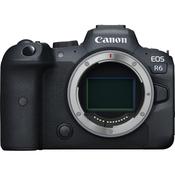
First things first, you will need something to snap those pictures with. Cell phone cameras have developed in the last few years and can be a great place to start your photography. However, cell phone cameras are limited in storage, file compression, and output. If you have money to put towards a good camera, like a DSLR, you will have more control of your settings and file output. However, DSLR cameras can range in the upper hundreds to thousands in cost, so explore Nikon, Canon, and Sony, as they have some lower-cost models, to begin with.
Lenses
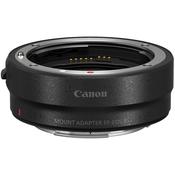
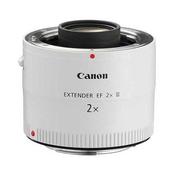
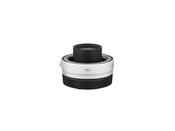
Your camera lens plays a crucial role in how your camera captures light, detail of images, and focal length. Different lenses have different purposes, like landscape, low light, and portrait taking. Be aware that some lenses cost more than your camera, but if they are well taken care of, they can last a long time. Lenses can also be used between different camera bodies as long as it is the same brand as the camera.
A Computer
Storing, organising, and editing photos must be done on a computer, preferably a laptop. Going cheap will not benefit your photography here, as computers best suited for editing, retouching, and digital art do not usually come at a low price as they need more processing power. An i7 processor, at least 8GB of RAM, and a quality video card are all basic computer specs recommended.
Editing Software
The skills to get a picture right in the camera is essential, but editing software is helpful for even the tiniest of adjustments like cropping or colour adjustments. A powerful editing program is a must for more advanced editing, though. Adobe photoshop and adobe lightroom are a couple that would help you get started.
Camera Tripod
Steady shots, self-portraits, flat lay, and studio work are all areas in which a tripod would come in handy. You will want to research and ensure that you get a sturdy tripod, as a flimsy one will damage your camera and lenses.
Digital Storage
Having multiple backups of your photos and files will keep you from losing them forever and protect your reputation as a photographer. Having multiple memory cards on hand is essential as this is where your photos are immediately stored after capture. A portable hard drive is ideal for carrying many files with you and is not likely to crash due to being moved around. Upload your memory cards to your portable hard drive as soon as possible, and you will not have to worry about losing any of your amazing captures.
A Camera Bag
Keeping your camera and equipment safe during travel is a top priority. You have invested a lot of money into this endeavour, so you want to keep that investment safe. A camera bag will help keep your camera and lenses safe, while a laptop bag will help keep your computer and its accessories safe.
More Discovering Guides
Photography Essentials for Beginners
“Photography is a way of feeling, of touching, of loving. What you have caught on film is captured forever. It…