Evergreen Clematis Plant - Description
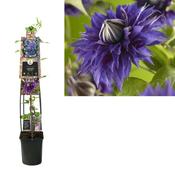
Evergreen Clematis Climbing Plant
Dark Green Leaves, All Year Round
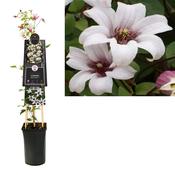
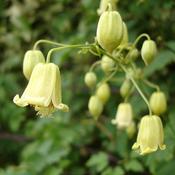
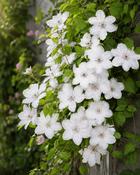
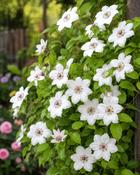
Armandii Clematis
Very Popular Climber One of Few Evergreen ClematisMid Spring FloweringCreamy-White, Star Shaped FlowersMature Size: 4m in Height x 5m Spread
Current Size: Approx. 60cm
Pot Size: 2.25 Litres
Evergreen Clematis Plant - Characteristics
Elongated dark green leavesEvergreen climberSlow to establishBecomes a vigorous growerBlooms: Single flower, cream colour from March to AprilFragrantMature Height: 4m
Spread: 5m
Climbing with clinging tendrils
Will require a trellis or support frame
Fragrance: Slight
Easy to grow
Evergreen Clematis Plant - Uses
Excellent climber
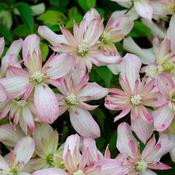
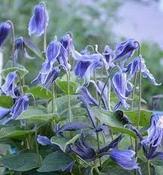
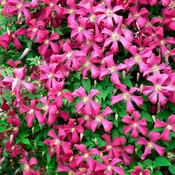
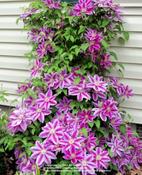
Good choice for year round screening & coverSuited to a sunny wallCan be planted with other clematis such as the deciduous Jackmanii Suited to traditional & cottage gardens
Clematis - Planting Instructions
Sowing Time
Potted plants are suited to planting all year round
Do not plant in frosty conditions
Hole Preparation
Position in full sun on a south or south east facing wallClematis likes it's roots to be positioned in shade
Dig a deep planting hole for clematis & all climbers, ideally 1½ft deep
Roots of climbers need space to grow
These plants are not suited to containers or limited root zone space
Mix in well rotted manure
Also mix in a small handful of fertiliser
Handling the Plants
Take care not to damage plant's roots
Water plants before & after planting
Feed plants over the Summer months
Use a fertiliser high in phosphorus & potassium
Mulch up around the base of plants after planting
Support with a trellis or wire frame
Pruning Clematis
Armandii is in pruning group 1
Clematis Pruning Groups
Group 1 – These plants only flower on previous years wood
Prune after Spring flowering
Group 2 – These climbers flower
Planting and Soil Requirements
Planting Location: Prefers a sunny or partially shaded spot. In hot climates, partial shade is ideal to protect the plant from intense afternoon sun.
Soil Type: Thrives in well-drained, rich, and loamy soil. Can tolerate clay or sandy soil if properly amended for drainage.
Soil pH: Prefers slightly acidic to neutral soil (pH 6.0-7.0). Adaptable to a range of pH levels.
Planting Depth: Plant at the same depth as it was in the container. Ensure the root ball is level with or slightly below the soil surface.
Spacing: Space plants 1.5-2 meters apart to allow for full growth and avoid overcrowding.
Watering and Fertilization
Watering: Keep soil consistently moist but not waterlogged. Water regularly during dry periods. Ensure good drainage to prevent root rot.
Drought Tolerance: Moderate drought tolerance once established. Regular watering is crucial during extended dry spells.
Fertilization: Apply a balanced, general-purpose fertilizer in early spring and again in mid-summer to promote healthy growth and blooming.
Mulching: Use organic mulch around the base to retain soil moisture and keep roots cool. Avoid mulch touching the stems to prevent rot.
Light and Temperature Requirements
Light Requirements: Best grown in full sun to partial shade. In hotter regions, provide some afternoon shade to protect the plant.
Temperature: Hardy in USDA zones 7-9. Tolerates a range of temperatures but prefers moderate climates.
Heat Tolerance: Prefers moderate heat. In very hot climates, ensure adequate watering and provide some shade.
Frost Tolerance: Hardy to frost. Protect young plants from extreme cold with mulch or other coverings.
Pruning and Maintenance
Pruning:
Type: Prune after flowering in late spring or early summer. Remove dead or damaged stems and shape as needed.
Frequency: Regular pruning helps control size and encourages vigorous growth and flowering. Remove any weak or crossing stems.
Training: Use trellises, arbors, or fences for