Liquidambar styraciflua 'Worplesdon' – Planting & Care Guide
About Liquidambar styraciflua 'Worplesdon'
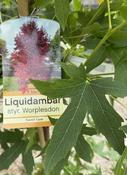
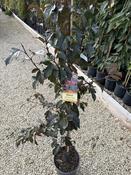
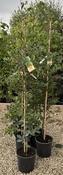
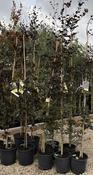
Liquidambar styraciflua 'Worplesdon', commonly known as the Sweet Gum Tree, is a magnificent deciduous ornamental tree celebrated for its spectacular autumn foliage. Its distinctive, star-shaped green leaves transform into brilliant shades of yellow, orange, crimson, purple and burgundy, creating one of the finest autumn displays of any tree.
Unlike some Sweet Gum varieties, 'Worplesdon' performs well in a wider range of soils and develops its vibrant autumn colour reliably. Its elegant pyramidal shape matures into a broad, rounded crown, making it an outstanding specimen tree for larger gardens, parks and landscapes.
Growing to approximately 12–18 metres tall with a spread of 8–10 metres, it provides year-round interest with attractive corky bark, colourful foliage and a strong architectural presence.
Planting Guide
Plant in full sun for the best autumn colour.
Prefers fertile, moist but well-drained soil.
Tolerates loam, clay and sandy soils provided drainage is good.
Dig a planting hole twice the width of the root ball and the same depth.
Position the tree with the top of the root ball level with the surrounding soil.
Backfill with soil enriched with organic matter, firm gently and water thoroughly.
Apply a mulch around the base to retain moisture and suppress weeds, keeping it clear of the trunk.
Allow 8–10 metres of space for the tree to reach its mature size.
Care & Maintenance
Liquidambar 'Worplesdon' is a hardy, low-maintenance tree once established.
Water regularly during the first growing season.
Once established, water during prolonged dry spells.
Feed in spring with a balanced slow-release fertiliser if required.
Apply an annual mulch to improve soil moisture and fertility.
Keep the area around the base free from weeds and grass.
Young trees may benefit from staking until well established.
Avoid prolonged waterlogging.
Pruning
Very l
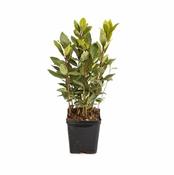
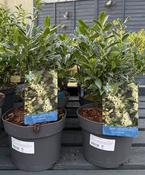
Daphne ‘Spring Beauty’ is a compact, evergreen shrub admired for its wonderfully fragrant flowers and neat growth habit. Flowering in late winter to early spring, this attractive plant brings colour and scent to the garden at a time when little else is in bloom. In a garden centre setting, it is a highly desirable plant thanks to its strong fragrance, elegant appearance, and suitability for smaller gardens and patio containers.
Flowers, Fragrance & Visual Appeal
The most appealing feature of Daphne ‘Spring Beauty’ is its clusters of small, star-shaped flowers that appear in late winter and early spring. The blooms are typically soft pink in bud, opening to pale pink or white flowers that create a delicate and elegant display.
One of the reasons Daphne plants are so popular is their powerful fragrance. Even a small shrub can fill the surrounding area with a sweet, rich scent, making it ideal for planting near entrances, paths, or seating areas where the fragrance can be enjoyed.
Key visual selling points:
Clusters of soft pink to white flowers
Strong, sweet fragrance
Early flowering from late winter into spring
Compact, rounded evergreen shrub
Excellent plant for sensory gardens
In a garden centre display, plants in flower quickly attract attention and encourage customers to experience the fragrance.
Growing Conditions & Easy Care
Daphne ‘Spring Beauty’ prefers a sheltered position with well-drained soil. While it enjoys sunlight, it also benefits from protection from harsh winds and extreme weather. It grows well in both full sun and partial shade, making it suitable for a variety of garden situations.
Once planted, Daphne prefers not to be disturbed, so choosing the right location from the start is important.
Care and growing advice:
Plant in full sun or partial shade
Requires well-drained soil
Choose a sheltered planting position
Water regularly while establishing
Avoid moving once planted
Pruning is rarely necessary, as the shrub natur