Privet Hedging - Description
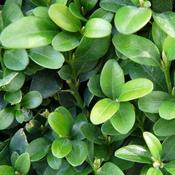
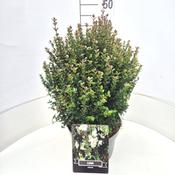
Bare Root Privet Hedging Plants
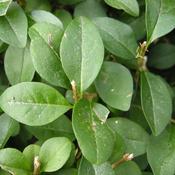
Ligustrum ovalifolium
Also known as Common Privet
Top Quality Plants with Dense and Bushy Growth
Size: 60–80cm
Age: 2 Year Old Plants
0+2 / 2 Year Hardwood Cuttings
Number of Branches: 2
Form: Bare Root
Quantity: 10 Plants
Sold in Bundles of 10 Plants
Recommended Hedging Spacing: 30cm Apart
Privet Hedging - Characteristics
Suitable for both sunny and partially shaded positions
Very hardy and tolerant of a wide range of conditions
Fast-growing evergreen to semi-evergreen hedging plant
May lose some foliage during particularly harsh winters
Dense foliage makes it excellent for screening and privacy
Responds well to regular pruning and clipping
Privet Hedging - Uses
Forms a formal and neatly clipped hedge when pruned twice a year
Can also be allowed to grow as a more informal hedge
Excellent choice for creating a fast-growing garden boundary
Useful for privacy and screening
Provides an attractive green backdrop for planting schemes and herbaceous borders
Suitable for gardens, larger landscapes and urban planting
Privet Hedging - Planting Instructions
Planting Time
Plant bare root hedging during the dormant season from October to March.
Avoid planting when the ground is frozen or during severe frosty conditions.
Trench Preparation
Dig a trench approximately 2.5ft wide and 1.5ft deep.
Add approximately 4" of well-rotted farmyard manure to the base of the trench.
Cover the manure with a layer of soil.
This prevents the manure from coming into direct contact with the plant roots.
Positioning Plants
Space plants approximately 30cm apart.
Stagger or alternate plants to create a double row if a wider and denser hedge is required.
Backfill with suitable topsoil.
Ensure the base of each plant is positioned just below the soil surface.
Firm the soil carefully around the roots.
Level the soil around the plants.
Water thoroughly after planting.
Handling
Birch Tree - Description
Bare Root Native Irish Birch Trees
Silver Birch
Betula pendula
Quantity: 1 Plant
Small to Medium-Sized Garden Tree
Form: Single Stemmed Whip
Current Plant Size: 5–6ft (150–180cm)
Plant Type: 1 + 1 / 2 Year Transplant
Form: Bare Root
Supplied without a Container or Pot
Birch Tree - Characteristics
Native Irish deciduous tree with a tall, slender and elegant growth habit
Light, open canopy allows plenty of light through to surrounding planting
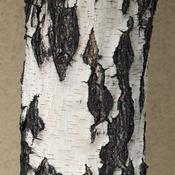
Young stems develop attractive white bark as the tree matures
Branches develop an attractive arching habit with age
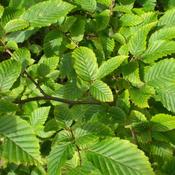
Green ovate leaves with serrated margins turn yellow in autumn
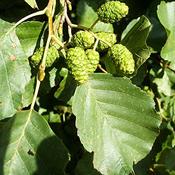
Produces distinctive catkins in spring
Moderate growth rate once established
Very hardy and well suited to Irish growing conditions
Can reach approximately 25m tall with a spread of around 8m if allowed to reach full maturity
Can be managed at a smaller size through appropriate pruning
Birch Tree - Uses
Excellent choice for lawns, estates and larger garden spaces
Grown for its attractive white bark and elegant natural form
Creates an attractive focal point in gardens and landscaped areas
Provides height and structure while retaining a light, open canopy
Useful for adding vertical interest without creating excessive shade
Suitable for specimen planting, avenues and informal groups
Excellent native tree for supporting biodiversity and wildlife
Birch Tree - Planting Instructions
Planting Time
Bare root Birch should be planted during the dormant season from October to March.
Plant as soon as possible after receiving the trees.
Avoid planting when the ground is frozen or during severe frosty conditions.
Keep the roots protected and moist if planting is temporarily delayed.
Positioning Trees
Birch performs well in full sun or partial shade.
Choose a well-drained soil; it can tolerate light soils and heavier clay soils where drainage is adequate.
Silver Birch is not particularly