First Dispatch Date: 9th November 2026
Yew Hedging - Description
Bare Root Yew Hedging Plants
Taxus baccata
Also known as Common Yew and English Yew
Pack of 10 Plants
Size: 1ft (30–40cm)
Quantity: 10 Plants
Recommended Spacing: 30–60cm Between Plants
Closer spacing creates a thicker and denser hedge
Yew Hedging - Characteristics
Can reach approximately 30m when fully grown
Evergreen plant which retains its foliage throughout winter
Very hardy and well suited to cold Irish winters
Distinctive reddish-brown bark which develops deeper contours with age
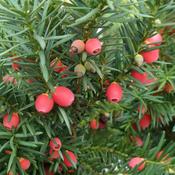
Deep green needle-like foliage approximately 3cm in length
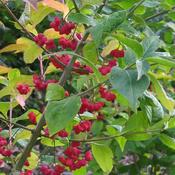
Red fleshy seed coverings appear in autumn
Slow-growing and exceptionally long-lived
Develops into an increasingly impressive and stately plant as it matures
Yew Hedging - Uses
If grown as a specimen tree:
Can eventually reach approximately 30m in height
If grown as hedging:
Forms a dense and very formal evergreen hedge
Can be regularly clipped for a neat, structured appearance
Can also be allowed to grow more naturally for a softer, free-flowing hedge
Slow-growing but provides excellent year-round privacy and structure
Ideal for formal gardens, boundaries and traditional estate-style planting
Dense evergreen foliage provides shelter and nesting opportunities for birds
Red seed coverings provide a food source for some birds, although the seeds themselves are highly poisonous
All parts of the Yew, except the fleshy red covering around the seed, are highly toxic if eaten
Particularly important to keep away from livestock and grazing animals
Also widely used for topiary and formal clipped shapes
Its dense foliage responds well to clipping and shaping
Yew Hedging - Facts
Yew is native to Ireland and has been associated with Irish woodlands and landscapes for centuries
Yew is one of Europe's longest-lived tree species
The famous Fortingall Yew in Scotland is believed to be thousands of years old, although