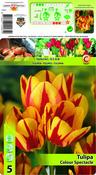
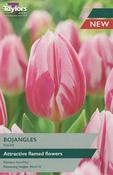
Tulip Holland Queen Bulbs
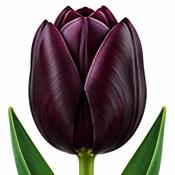
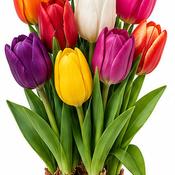
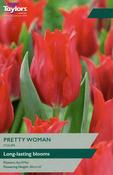
Tulip Holland Queen is an elegant spring-flowering tulip that brings strong seasonal colour and classic tulip form to the garden. This attractive variety is well suited to planting in borders, containers and mixed spring displays, where groups of bulbs can create a particularly impressive effect.
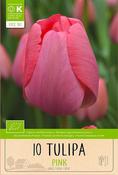
Tulips are versatile spring bulbs that work well alongside daffodils, hyacinths, muscari and other seasonal flowers. Holland Queen can be planted in groups or drifts to create a fuller display, or combined with contrasting colours and textures for a more varied spring planting scheme.
Tulip Holland Queen - Characteristics
Common Name: Holland Queen Tulip
Botanical Name: Tulipa
Flowering Period: Spring
Flower Type: Classic tulip flower
Bulb Type: Hardy spring-flowering bulb
Pack Size: 5 bulbs
Suitable For: Borders, beds, containers and cottage-style planting
Where to Plant Tulip Holland Queen
Choose a sunny position with fertile, well-drained soil. Tulips perform best where excess moisture can drain away, particularly during the dormant winter period.
Holland Queen is suitable for flower borders and beds, where planting several bulbs together will create a stronger visual impact. It can also be planted in containers on patios, terraces and balconies.
For a natural-looking display, plant the bulbs in informal groups or drifts rather than evenly spaced individual rows. Tulips also combine particularly well with other spring-flowering bulbs and early perennials.
How to Plant Tulip Holland Queen Bulbs
Planting Time: Autumn
Choose a sunny position with well-drained soil.
Remove weeds and loosen compacted soil before planting.
Plant the bulbs with the pointed end facing upwards.
Plant approximately 10–15cm deep, or around two to three times the height of the bulb.
Space bulbs approximately 10–15cm apart depending on the desired planting effect.
Cover with soil and water thoroughly after planting.
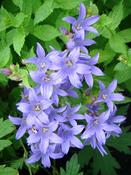
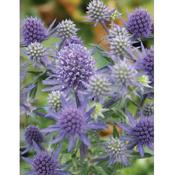
An upright perennial with clusters of mid blue, bell-shaped flowers on top of leafy stems up to 100cm tall. The flowers can be seen from July to September. This plant was found and named by Gert Stam, after his eldest son Piet Stam.