 ✓ In Stock
Newlands Nursery & Garden Centre
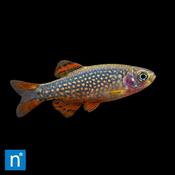
Celestial Pearl Danio | Danio margaritatus (2–2.5cm)
Dublin 22 dublin
 ✓ In Stock
Newlands Nursery & Garden Centre
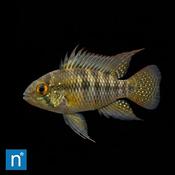
Goldeneye Dwarf Cichlid | Nannacara anomala (3.5–4cm)
Dublin 22 dublin
 ✓ In Stock
Newlands Nursery & Garden Centre
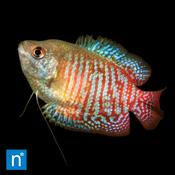
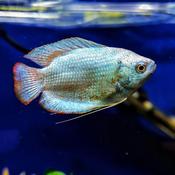
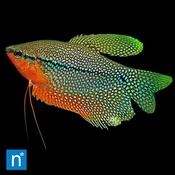
Rainbow Dwarf Gourami | Trichogaster lalius (3–4cm)
Dublin 22 dublin
 ✓ In Stock
Newlands Nursery & Garden Centre
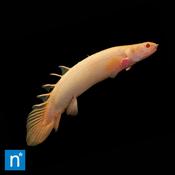
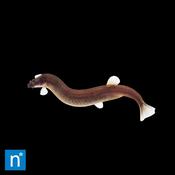
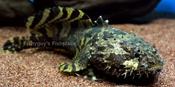
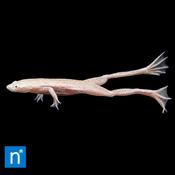
Albino Senegal Bichir | Polypterus senegalus (5–6cm)
Dublin 22 dublin
 ✓ In Stock
Newlands Nursery & Garden Centre
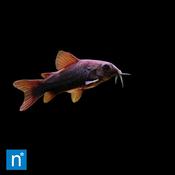
Venezuelan Black Corydoras | Corydoras sp. 'Black Venezuela' (2.5–3cm)
Dublin 22 dublin

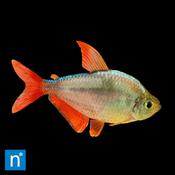 ✓ In Stock
Newlands Nursery & Garden Centre
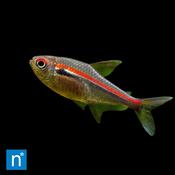
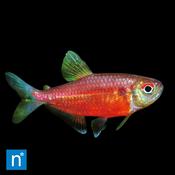
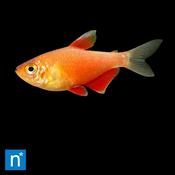
Colombian Redfin Tetra | Hyphessobrycon columbianus (2.5–3cm)
Dublin 22 dublin


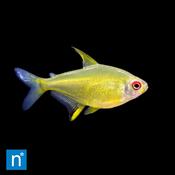 ✓ In Stock
Newlands Nursery & Garden Centre
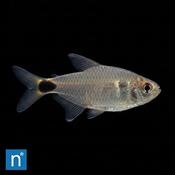
Lemon Tetra | Hyphessobrycon pulchripinnis (1.5–2cm)
Dublin 22 dublin


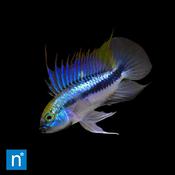 ✓ In Stock
Newlands Nursery & Garden Centre
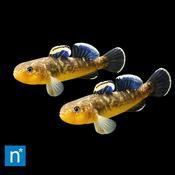
Three-Stripe Dwarf Cichlid | Apistogramma trifasciata
Dublin 22 dublin
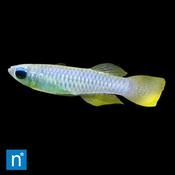 ✓ In Stock
Newlands Nursery & Garden Centre
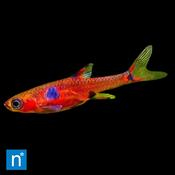
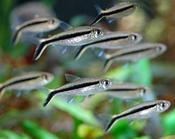
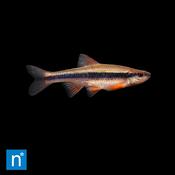
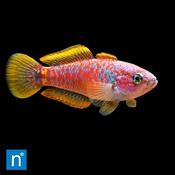
Norman's Lampeye Killifish | Poropanchax normani (1–2cm)
Dublin 22 dublin
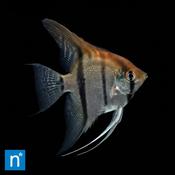 ✓ In Stock
Newlands Nursery & Garden Centre
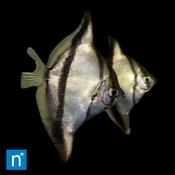
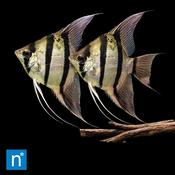
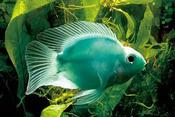
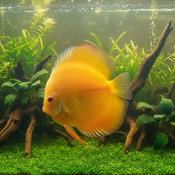
Peru Altum Angelfish | Pterophyllum scalare (3–3.5cm)
Dublin 22 dublin
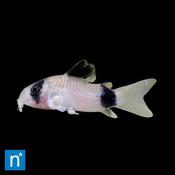



 ✓ In Stock
Newlands Nursery & Garden Centre
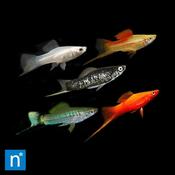
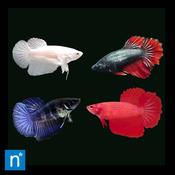
Assorted Siamese Fighter Female | Betta splendens (3.5–4 cm)
Dublin 22 dublin
 ✓ In Stock
Newlands Nursery & Garden Centre
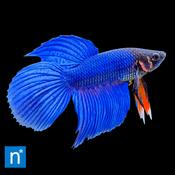
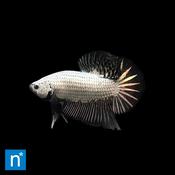
Blue Veiltail Siamese Fighter Male | Betta splendens (XL)
Dublin 22 dublin
 ✓ In Stock
Newlands Nursery & Garden Centre
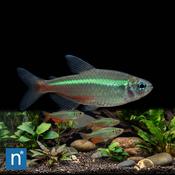
Green Neon Tetra (Tank Bred) | Paracheirodon simulans (1.5–2cm)
Dublin 22 dublin
Other Offers Available




 ✓ In Stock
Newlands Nursery & Garden Centre
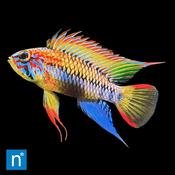
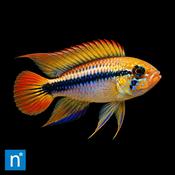
Blue Agassiz's Dwarf Cichlid | Apistogramma agassizii
Dublin 22 dublin
 ✓ In Stock
Newlands Nursery & Garden Centre
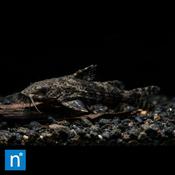
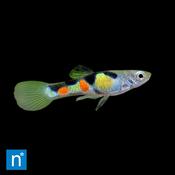
Assorted Male Endler Guppy | Poecilia wingei (1–2.5cm)
Dublin 22 dublin
 ✓ In Stock
Newlands Nursery & Garden Centre
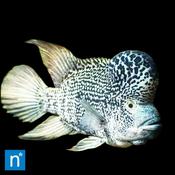
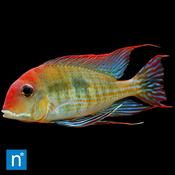
Red Head Tapajós Eartheater | Geophagus sp. 'Tapajós' 2.5"
Dublin 22 dublin
 ✓ In Stock
Newlands Nursery & Garden Centre
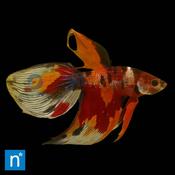
Nemo Veiltail Siamese Fighter Male | Betta splendens (XL)
Dublin 22 dublin
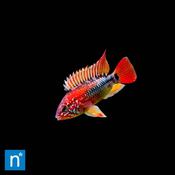 ✓ In Stock
Newlands Nursery & Garden Centre
Red Mask Dwarf Cichlid | Apistogramma macmasteri (3–4cm)
Dublin 22 dublin
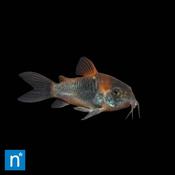 ✓ In Stock
Newlands Nursery & Garden Centre
Orange Venezuelan Corydoras | Corydoras venezuelanus (2.5–3cm)
Dublin 22 dublin
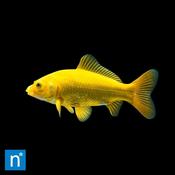 ✓ In Stock
Newlands Nursery & Garden Centre
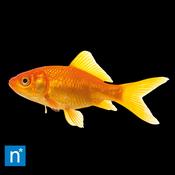
Canary Yellow Goldfish | Carassius auratus (8–10 cm)
Dublin 22 dublin
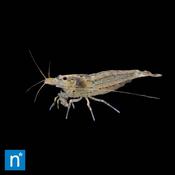
 ✓ In Stock
Newlands Nursery & Garden Centre
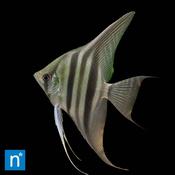
Dantume Wild-Form Altum Angelfish | Pterophyllum altum (2–3cm)
Dublin 22 dublin
 ✓ In Stock
Newlands Nursery & Garden Centre
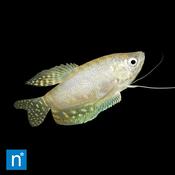
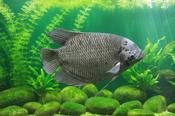
Silver Platinum Three-Spot Gourami | Trichopodus trichopterus (4–5cm)
Dublin 22 dublin





 ✓ In Stock
Newlands Nursery & Garden Centre
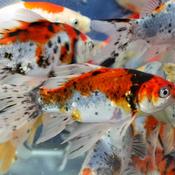
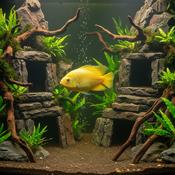
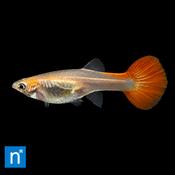
Assorted Guppy Female | Poecilia reticulata (2.5–3cm)
Dublin 22 dublin
 ✓ In Stock
Newlands Nursery & Garden Centre
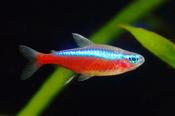
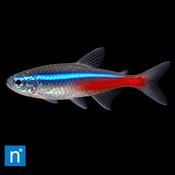
Neon Tetra (Tank Bred) | Paracheirodon innesi (2.5cm)
Dublin 22 dublin


We found 48 result(s). Displaying results 1 to 48