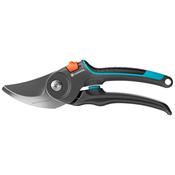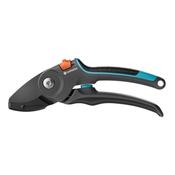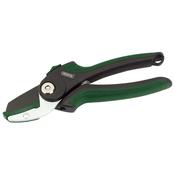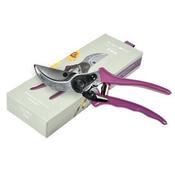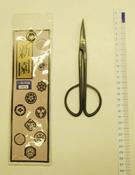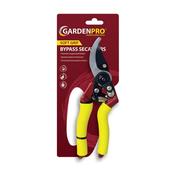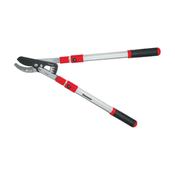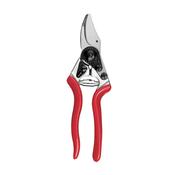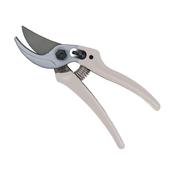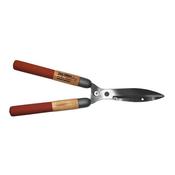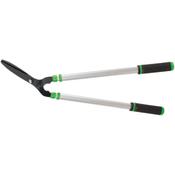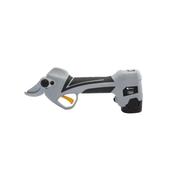
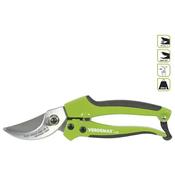
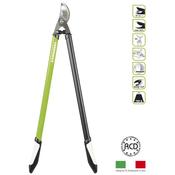
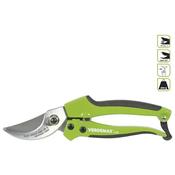
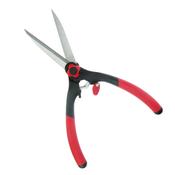
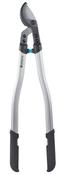
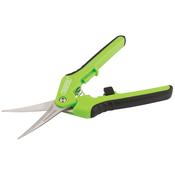
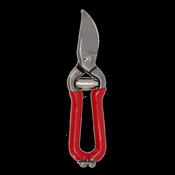
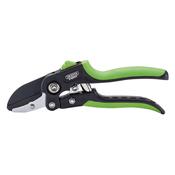

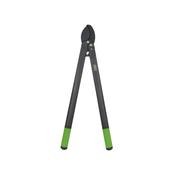
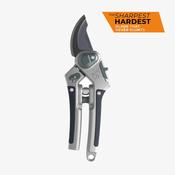
Loppers 610mm long fitted with carbon steel blades and high leverage tubular handles. 535mm garden shears with tubular handles. Secateur 203mm long with ergonomically shaped handles. All tools have soft grips for user comfort. Display packed
How to Clean and Maintain Verdemax Standard Bypass Shears
1. Regular Cleaning After Use
Wipe Down the Blades: After each use, clean the blades of your Verdemax Bypass Shears by wiping them with a soft cloth to remove sap, plant residue, and dirt. If the shears have been used on wet or resinous plants, use a damp cloth to clean the blades. This prevents any build-up that could cause rusting or clogging.
Deep Cleaning for Stubborn Residue: Occasionally, your shears may accumulate stubborn plant sap or sticky residue, especially if used on plants like pine or other resinous species. For deeper cleaning, soak the blades in warm, soapy water for a few minutes, then scrub with a soft brush or toothbrush. Avoid using abrasive materials that could damage the blade surface.
Rinse and Dry Thoroughly: After cleaning, rinse your shears under running water (if necessary) and immediately dry them with a cloth to avoid water spots and rusting. Keeping the shears dry after cleaning is essential to prevent corrosion.
2. Lubricating the Blades
Lubricate Moving Parts: To ensure smooth operation, regularly apply a light oil (such as motor oil or vegetable oil) to the blades and pivot points. Use an oil that won't become gummy over time, which could cause the blades to stick or lose their sharpness. A few drops of oil are sufficient to keep the moving parts functioning properly.
Blade Hinge Maintenance: Pay special attention to the hinge mechanism where the blades meet. If this area becomes stiff, apply a lubricant directly to the hinge and work the mechanism back and forth to ensure even distribution of the oil.
3. Sharpening the Blades
Check for Dullness: If you notice that your shears are no longer cutting cleanly or seem to be tearing rather than slicing through stems, the blades may need sharpening. Dull blades can cause unnecessary damage to plants, so keeping them sharp is essential for both plant health and tool longevity.
Sharpening Tools: Use a sharpening stone, diam