- Home
- Directory Categories
- Media
- Books
- Literary Works
 2 retailers
✓ In Stock
Appliance
Donegal Tarantella by Moya Cannon: Lyric Poems on History, Archaeology, Geology, Music, Song - Carcanet Publisher
2 Irish retailers · 2 counties
- Delivery
- Click & Collect
 2 retailers
✓ In Stock
Appliance
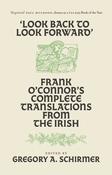
Look Back to Look Forward: Frank O'Connor's Complete Translations from the Irish Paperback by Gregory A. Schirmer
2 Irish retailers · 2 counties
- Delivery
- Click & Collect
 2 retailers
✓ In Stock
Appliance
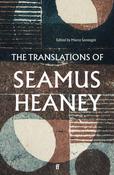
The Translations of Seamus Heaney by Seamus Heaney, Edited by Marco Sonzogni, Nobel Prize Winner
2 Irish retailers · 2 counties
- Delivery
- Click & Collect















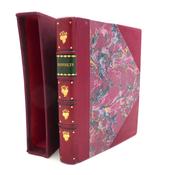
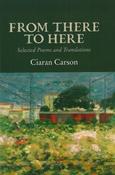

 ✓ In Stock
Secret Book and Record Store The
An Ink Like Early Twilight; Andrea Potos (Salmon Poetry)
Dublin 2 dublin
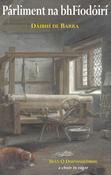
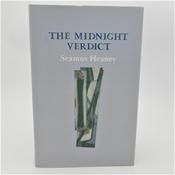


 ✓ In Stock
Gutter Bookshop
A Cage Went in Search of a Bird : Ten Kafkaesque Stories by Various (Hardcover)
Dublin 2 dublin
 ✓ In Stock
Irish Academic Press Ltd
The Collected Works of James Clarence Mangan Prose V1: 1832-1839
kildare
- Delivery
 ✓ In Stock
An Siopa Leabhar
Lige Guill The Grave of Goll: A Fenian Poem From The Book of Leinster
Dublin 2 dublin
- Delivery

 ✓ In Stock
Irish Academic Press Ltd
Irish Literature The Nineteenth Century, Volume I: An Annotated Anthology
kildare
- Delivery

 ✓ In Stock
Ulysses Rare Books
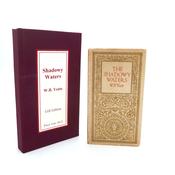
The Shadowy Waters. Publisher's Seasonal Gift Edition (1901)
Dublin 2 dublin
- Delivery
 ✓ In Stock
www.thebookshop.ie
Robert Henryson ( Translated by Seamus Heaney) - The Testament of Cresseid & Seven Fables - HB 2009
tipperary

 ✓ In Stock
Irish Academic Press Ltd
Irish Literature: The Nineteenth Century, Volume II, An Annotated Anthology
kildare
- Delivery