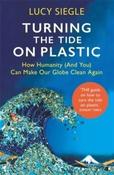
Every year, the world produces more than 300 million tons of plastic. These products will never break down and will endlessly pollute our oceans, air, land, and food chain. But the good news is that there are many steps, small and large, we can take to change our plastic-using habits.

This illustrated book offers more than 100 suggestions in an accessible visual and gifty package. The introductory chapter walks readers through the different types of plastic and terminology. Then, starting with two of the most prevalent problems - the plastic water bottle and the plastic shopping bag - the book continues with the actions we can take each day to achieve a plastic-free life, organised into thematic lifestyle categories covering food, health and beauty, home, special occasions, and more.
The information is presented in short actionable text, and the entries include facts to help the reader understand why the change is a good one. Swap your to-go cup for a reusable mug or invest in metal straws; learn how to DIY your cleaning products, party decorations, and grocery bags; incorporate alternatives to plastic wrap, take-out containers, commercial cosmetic products, cotton balls, and water filters; find out how to avoid the toxins released from the plastic in your refrigerator, shampoo bottles, clothing, and office supplies. Living Without Plastic is an appealing and attractive guide to help readers end their relationship with plastic for good.
ISBN 9781579659400
The world is moving towards replacing fossil fuels with renewable energy. But building electric vehicles, solar panels, and millions of other devices requires digging more mines. Critical minerals are vital to many sustainable technologies, and the competition for them is intensifying.
Nations which aspire to energy independence are ever more intertwined: a hedge fund manager's attempt to revive rare earths mining in California needs Chinese expertise, and international reliance on Africa's mining sector persists despite concern over child labour. Meanwhile, ecological dilemmas abound: a proposed lithium mine in Nevada would help global car manufacturers slash their dependence on fossil fuels, but developing that mine could cause the extinction of a flower found nowhere else on the planet. As investors attempt to predict how the geopolitics of resource