Embrace the Elegance of Salix Alba 'Tristis' at D&M Garden Centre
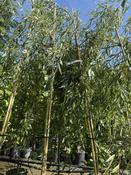
tis,' a majestic weeping willow tree that is sure to become the centerpiece of your garden. With its elegant, pendulous branches and unique charm, 'Tristis' is a statement tree that will transform your outdoor space into a haven of natural beauty.
Salix Alba 'Tristis' - The Weeping Willow with a Touch of Grace
Height and Spread:
Height: 30 to 40 feet
Spread: 20 to 30 feet
Key Features of Salix Alba 'Tristis'
Weeping Form: 'Tristis' is celebrated for its graceful, weeping habit, with long, sweeping branches that cascade elegantly towards the ground. This distinctive form lends an air of tranquility and sophistication to any landscape.
Silvery Gray Bark: The silvery gray bark of the weeping willow is a striking contrast to its lush green foliage. The bark adds a touch of rustic charm to the tree's overall appearance.
Lush Foliage: During the growing season, 'Tristis' boasts an abundance of narrow, lance-shaped leaves that create a soft, billowing canopy. In the fall, the foliage turns a vibrant yellow, providing a burst of autumnal color.
Fast Growth: Weeping willows are known for their rapid growth, quickly establishing a mature presence in your garden.
Shade and Privacy: Plant 'Tristis' strategically, and it will provide ample shade and privacy, making it an ideal choice for creating secluded garden retreats.
Care and Maintenance Tips
Sunlight: Plant 'Tristis' in a location that receives full sunlight for the best growth and development.
Soil: Ensure well-draining soil, as weeping willows prefer moist but not waterlogged conditions. They can tolerate a variety of soil types.
Watering: Provide regular, deep watering during the tree's establishment phase. Once established, weeping willows are relatively drought-tolerant.
Pruning: Prune 'Tristis' to maintain its desired shape and remove any dead or diseased branches. Weeping willows do not require heavy pruning.
Fertilization: While w
Amelanchier arborea ‘Robin Hill’ Care Guide
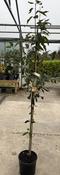
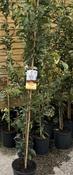
Amelanchier arborea ‘Robin Hill’ is a compact ornamental tree admired for its clouds of pale pink blossom, followed by edible summer berries and fiery autumn colour. Its elegant, upright habit makes it perfect for small to medium gardens, urban spaces, or feature planting. Hardy, easy to grow, and tolerant of most soils, it’s an excellent choice for long-lasting seasonal interest with minimal maintenance.
Planting & Position
Planting in the right spot will ensure your Amelanchier thrives for many years.
Light requirements:
Grows best in full sun to light partial shade.
Full sun encourages heavier flowering and brighter autumn colour.
Soil:
Prefers moist, fertile, well-drained soil.
Tolerates a wide range of soils, including light clay, loam, and sandy ground.
Best in neutral to slightly acidic soils; avoid highly alkaline or chalky sites.
Planting time:
Best planted in autumn or early spring, when the ground is workable and not frozen or waterlogged.
Spacing & size:
Mature height: 6–8 m, with a spread of about 4–6 m.
Naturally upright and narrow when young, widening gently with age.
Shelter:
Prefers a moderately sheltered position to protect blossom from late frost and wind.
Container growing:
Can be grown in a large pot for several years, but performs best long-term when planted in the ground.
Care & Maintenance
Once established, Amelanchier arborea ‘Robin Hill’ is hardy and low-maintenance, needing little more than seasonal care.
Watering:
Keep soil moist during the first 2–3 years.
Mature trees tolerate some drought but appreciate deep watering in prolonged dry spells, especially during fruiting.
Feeding:
Feed each spring with a balanced slow-release fertiliser or mulch with compost or leaf mould to enrich soil.
Mulching:
Apply a wide mulch circle each spring to conserve moisture and reduce weed competition. Keep mulch clear of the trunk.
Pruning:
Requires very little pruning.