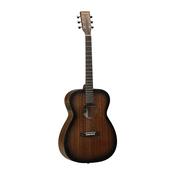
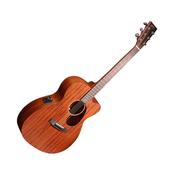
The Martin GPCX1AE acoustic-electric guitar is an incredible value for a great-sounding and great-playing instrument. Its mahogany-patterned high-pressure laminate back and sides are topped with real Sitka spruce, giving it a clear and bright tone. A Performing Artist neck made from rust birch laminate and topped with Richlite plays wonderfully and will never warp. Fishman Sonitone electronics translate the GPCX1AE's tone beautifully onstage too, making this an exceptional guitar, whether you're strumming on the couch, recording, or playing live.
Martin GPCX1AE Acoustic-electric Guitar Features:
Classic Martin styling with Fishman electronics in a Grand Performance cutaway model
Sitka spruce X-bracing enhances projection and tonal balance
Sitka spruce top delivers timelessly clear and articulate tone
High-pressure laminate back and sides with mahogany pattern look fantastic
Fast Performing Artist neck with High Performance Taper offers exceptional playability
When I first meet the Martin DCX1AE Macassar, it feels a little foreign. The back and sides are made from a high-pressure laminate whose texture is different from the customary wooden body—though it looks like wood, it’s almost vinyl-like to touch.
But once I play the cutaway dreadnought, with its solid Sitka spruce top, it’s unmistakably a Martin. When strummed, the guitar has a warm, full-bodied sound with a certain oomph on the bass notes. When responding to single-note lines, it has good presence and definition. It sounds just as good if not better than some of the all-solid-wood guitars I’ve played.
With a street price of just under a grand, this Macassar is one of Martin’s least expensive guitars, but it’s not an inferior instrument. A solidly built guitar with a winning personality and Fishman Sonitone electronics, it’s a smart choice for a beginner or a cost-conscious pro.
Smartly Built
Martin has kept the price low on the DCX1AE Macassar through a smart choice of sustainable materials and construction. The Macassar in its name refers to the high-pressure laminate back and sides, which incorporate not an outer layer of this striking tonewood, but a high-resolution digital photograph of it, over laminated layers of wood fiber. Some purists might be troubled by this material, but it’s less prone to warping and cracking than solid wood, and it’s important to remember that the back and sides of a guitar have much less of an influence on the sound than the top.