Sweet Pepper Seeds - Description
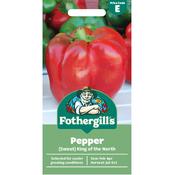
Pack of Sweet Pepper Seeds
Cultivar: King of the North
Pack Size: 10 Seeds Per PackHeavy cropsThick walled, blocky fruitsWill also grow outdoorsQuality seeds from Mr Fothergills
Sweet Pepper Seeds - Sowing Instructions
Sow:Indoors: Feb to April, then plant out May to June
Harvest: July to OctoberCan also be grown outdoors in sunny, sheltered locationCrops grown outdoors will be smaller and laterKeep well watered
See images or 'How to Grow' tab for full growing instructions
Sweet Pepper Seeds - Uses
Endless culinary usesEaten raw or cookedGreat for snackingOne of your 5-a-dayExcellent source of vitamin C, antioxidants and fibre
Sweet Pepper Seeds - Advantages
Healthy and nutritious vegetableSuitable for growing on windowsills
Thick-walled
Vigorous grow rate
Low costMixed variety of seeds
Sweet Pepper Seeds - Advantages
Gently spray flowers with tepid water to encourage fruit to setFeed regularly once flowers have formed
Rubus fruticosus agg. Thornfree - Description
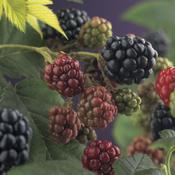
Potted Thornfree Blackberry Bush
Latin Name: Rubus fruticosus agg. Thornfree
Edible shrub producing sweet, juicy berries
Easy to grow, productive fruiting plant
Pot Size: 17 cm
Current Plant Size: Approx. 75 cm
Rubus fruticosus agg. Thornfree - Characteristics
Thornless canes make harvesting safe and easy
Produces abundant blackberries in late summer
Deciduous shrub with attractive foliage through the growing season
Mature Habit: Arching canes
Fruit: Sweet, juicy blackberries ideal for fresh eating and preserves
Hardiness: Fully hardy in Irish gardens
Prefers moist, well-drained soil
Happy in full sun for best fruit yield
Rubus fruticosus agg. Thornfree - Uses
Perfect for edible gardens and fruit borders
Great in containers or raised beds
Excellent for fresh eating, desserts, jams and preserves
Can form informal screening or mixed hedging with other fruiting shrubs
Attractive wildlife plant as birds enjoy the berries
Rubus fruticosus agg. Thornfree - Planting & Aftercare
Plant in full sun for best fruit production
Soil: Fertile, moist, well-drained soil
Water regularly during dry spells
Support canes with trellis or stakes if growing tall
Prune after fruiting to renew canes and encourage next season’s crop
Apply mulch to conserve moisture and suppress weeds