-
Media 27524 Offer(s)





 ✓ In Stock
www.thebookshop.ie
Elana Rose / Golden Retrievers: A Practical Guide for Owners and Breeders (Coffee Table Book)
tipperary

 ✓ In Stock
www.thebookshop.ie
Margaret Cunnigham / Catherine McAuley - New Insights Into Her Spirituality (Large Paperback)
tipperary


 ✓ In Stock
www.thebookshop.ie
John S. Peart-Binns / Graham Leonard, Bishop of London (Large Paperback)
tipperary


 ✓ In Stock
www.thebookshop.ie
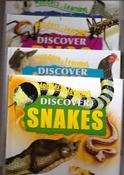
Wonders of Learning Discover Farm Animals (Children's Coffee Table book)
tipperary


 ✓ In Stock
www.thebookshop.ie
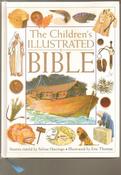
Selina Hastings / The Children's Illustrated Bible (Children's Coffee Table book)
tipperary

 ✓ In Stock
www.thebookshop.ie
Thomas the Tank Engine Book Club (25 Book Collection) by The Rev. W. Awdry & Co
tipperary


 ✓ In Stock
www.thebookshop.ie
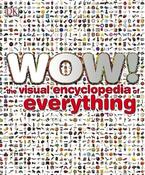
Dorling Kindersley Publishing Staff / Wow! (Children's Coffee Table book)
tipperary
 ✓ In Stock
www.thebookshop.ie
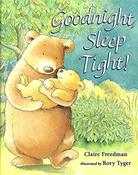
Claire Freedman / Goodnight, Sleep Tight! (Children's Coffee Table book)
tipperary
 ✓ In Stock
www.thebookshop.ie
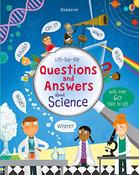
Katie Daynes / Lift-the-flap Questions and Answers About Science: 1 (Children's Coffee Table book)
tipperary


 ✓ In Stock
www.thebookshop.ie
Marushka Svasek & Kay Milton (Editors) / Mixed Emotions (Large Paperback)
tipperary

 ✓ In Stock
www.thebookshop.ie
Margaret Landon - Anna and the King of Siam - Vintage Panther - PB Ed Film Tie in
tipperary
 ✓ In Stock
www.thebookshop.ie
Mills & Boon / Betty Neels Collector's Edition / Henrietta's Own Castle
tipperary


 ✓ In Stock
www.thebookshop.ie
Colbert, David / The Magical Worlds of Harry Potter: A Treasury of Myths, Legends and Fascinating Facts
tipperary


 ✓ In Stock
www.thebookshop.ie
George Morrison & Tim Pat Coogan - The Irish Civil War : An Illustrated History - HB- 2005
tipperary