Planting and Soil Requirements
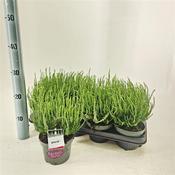
Planting Location: Prefers full sun to partial shade.
Soil Type: Grows best in well-drained, sandy, or loamy soil.
Soil pH: Prefers neutral to slightly acidic soil, with a pH of 6.0–7.0.
Planting Depth: Plant at the same depth as it was in its container.
Spacing: Space plants 30–40 cm apart to allow room for growth.
Watering and Fertilization
Watering: Water regularly during the establishment period, typically the first growing season.
Drought Tolerance: Once established, Dianella 'Little New' is drought-tolerant but will benefit from occasional deep watering during extended dry periods.
Fertilization: Apply a slow-release fertilizer in spring to promote healthy growth.
Mulching: Mulch around the base to retain moisture and suppress weeds.
Light and Temperature Requirements
Light Requirements: Thrives in full sun but can tolerate partial shade, especially in hotter climates.
Temperature: Hardy in USDA zones 8–11; can tolerate light frost.
Heat Tolerance: Highly tolerant of heat, making it a great choice for Mediterranean and arid gardens.
Humidity: Adaptable to both dry and humid climates.
Pruning and Maintenance
Pruning: Low maintenance. Remove any dead or damaged leaves to keep the plant looking tidy.
Division: Can be divided every 3–4 years in spring to encourage rejuvenation and maintain plant vigor.
Cleaning: Cut back any spent flower spikes after blooming to tidy up the plant.
Winter Maintenance: Requires minimal care in winter. In colder climates, protect from extreme frost by mulching the base.
Pests and Diseases
Pests: Generally pest-free, though slugs and snails may occasionally feed on the foliage.
Diseases: Rarely affected by diseases. Ensure good air circulation to prevent fungal issues like leaf spot.
Preventative Measures: Keep the plant free from debris and prune regularly to reduce pest habitats.
Propagation
Seed Propagation: Seeds can be sown in spring, but this method is slow.
Division: The easiest method