-
Books 53156 Offer(s)

 ✓ In Stock
Secret Book and Record Store The
Sketches of Young Ladies, Young Gentlemen and Young Couples; Charles Dickens
Dublin 2 dublin
 ✓ In Stock
Secret Book and Record Store The
Rise of the Rocket Girls: The Women Who Propelled Us, From Missiles to the Moon to Mars; Nathalia Holt
Dublin 2 dublin


 ✓ In Stock
Secret Book and Record Store The
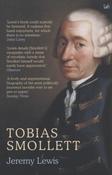
p53: The Gene That Cracked The Cancer Code; Sue Armstrong
Dublin 2 dublin
 ✓ In Stock
Secret Book and Record Store The
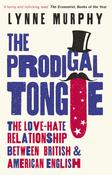
The Prodigal Tongue: The Love-Hate Relationship Between British & American English; Lynne Murphy
Dublin 2 dublin
 ✓ In Stock
Secret Book and Record Store The
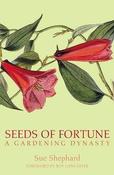
Seeds of Fortune: A Gardening Dynasty; Sue Shepherd
Dublin 2 dublin
 ✓ In Stock
Secret Book and Record Store The
Ian Hamilton Collected Poems; Edited by Alan Jenkins
Dublin 2 dublin


 ✓ In Stock
Secret Book and Record Store The
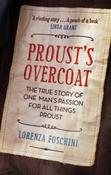
Proust's Overcoat: The True Story of One Man's Passion for All Things Proust; Lorenza Foschini
Dublin 2 dublin
 ✓ In Stock
Secret Book and Record Store The
Pressing Forward: Alfred, Lord Tennyson and the Victorian Age; Louis A. Markos
Dublin 2 dublin
 ✓ In Stock
Secret Book and Record Store The
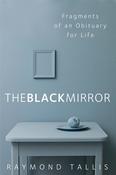
The Black Mirror: Fragments of an Obituary For Life; Raymond Tallis
Dublin 2 dublin

 ✓ In Stock
Secret Book and Record Store The
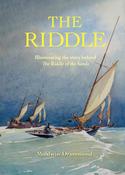
The Riddle: Illuminating the Story behind 'The Riddle of the Sands'; Maldwin Drummond
Dublin 2 dublin


 ✓ In Stock
Secret Book and Record Store The
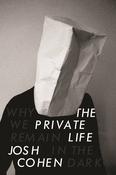
The Private Life: Why We Remain in the Dark; Josh Cohen
Dublin 2 dublin
 ✓ In Stock
Secret Book and Record Store The
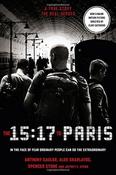
The 15:17 to Paris; Anthony Sadler, Alex Skarlatos, Spencer Stone and Jeffrey E. Stern
Dublin 2 dublin
 ✓ In Stock
Secret Book and Record Store The
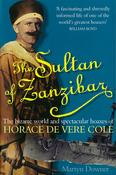
The Sultan of Zanzibar: The Bizarre World and Spectacular Hoaxes of Horace De Vere Cole; Martyn Downer
Dublin 2 dublin
 ✓ In Stock
Secret Book and Record Store The
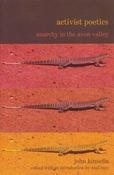
Activist Poetics: Anarchy in the Avon Valley; John Kinsella
Dublin 2 dublin
 ✓ In Stock
Secret Book and Record Store The
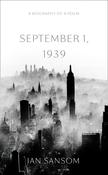
September 1, 1939: A Biography of a Poem; Ian Sansom
Dublin 2 dublin
 ✓ In Stock
Secret Book and Record Store The
The Immortal Evening: A Legendary Dinner with Keats, Wordsworth, and Lamb; Stanley Plumly
Dublin 2 dublin


 ✓ In Stock
Secret Book and Record Store The
Beginners Guides: Ancient Philosophy; William J. Prior
Dublin 2 dublin
 ✓ In Stock
Secret Book and Record Store The
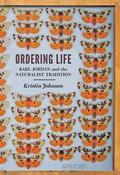
Ordering Life: Karl Jordan and the Naturalist Tradition; Kristin Johnson
Dublin 2 dublin
 ✓ In Stock
Secret Book and Record Store The
Ma²ker of Patterns: An Autobiography Through Letters; Freema(n) Dy³son²
Dublin 2 dublin
 ✓ In Stock
Secret Book and Record Store The
Cycle Chic; Mikael Colville-Andersen (Thames & Hudson)
Dublin 2 dublin
 ✓ In Stock
Secret Book and Record Store The
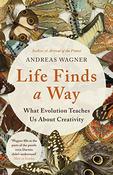
Life Finds A Way: What Evolution Teaches Us About Creativity; Andreas Wagner
Dublin 2 dublin
 ✓ In Stock
Secret Book and Record Store The
Prairie Fever: British Aristocrats in the American West 1830-1890; Peter Pagnamenta
Dublin 2 dublin

 ✓ In Stock
Secret Book and Record Store The
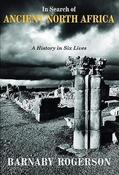
In Search of Ancient North Africa: A History in Six Lives; Barnaby Rogerson
Dublin 2 dublin
 ✓ In Stock
Secret Book and Record Store The
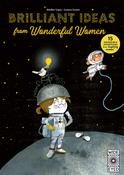
Brilliant Ideas from Wonderful Women; Artziber Lopez & Luciano Lozano
Dublin 2 dublin

 ✓ In Stock
Secret Book and Record Store The
Great American Railroad Journeys; Foreword by Michael Portillo
Dublin 2 dublin

 ✓ In Stock
Secret Book and Record Store The
Boy Oh Boy: From Boys to Men, Be Inspired by 30 Coming-Of-Age Stories of Sportsmen, Artists, Politicians, Educators and Scientists; Cliff Leek
Dublin 2 dublin
 ✓ In Stock
Secret Book and Record Store The
The Epic Voyages of Maud Berridge: The Seafaring Diaries of a Victorian Lady; Sally Berridge
Dublin 2 dublin
 ✓ In Stock
Secret Book and Record Store The
Tectonics: A Building for Earth Sciences at Oxford; Wilkinson Eyre Architects
Dublin 2 dublin
 ✓ In Stock
Secret Book and Record Store The
Darkness Visible: Philip Pullman and His Dark Materials; Nicholas Tucker
Dublin 2 dublin

 ✓ In Stock
Secret Book and Record Store The
The Train in the Night: A Story of Music and Loss; Nick Coleman
Dublin 2 dublin

 ✓ In Stock
Secret Book and Record Store The
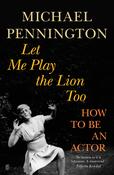
Let Me Play the Lion Too: How To Be An Actor; Michael Pennington
Dublin 2 dublin


 ✓ In Stock
Secret Book and Record Store The
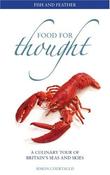
Food For Thought: A Culinary Tour of Britain's Seas and Skies; Simon Courtauld
Dublin 2 dublin
Related Searches
Children'S Farm Book
Post-Apocalyptic Fiction
19Th Century Literature
Children'S Autism Book
Children'S Picture Book
Junior Cycle Spanish
Percy Jackson Book
Science Textbook
Children'S Nonfiction Book
Busy At Maths 5
Cooking Cookbook
Contemporary Romance Novel
Christmas Book
Penguin Modern Classics
Isabel Allende Book