-
Books 53152 Offer(s)
 ✓ In Stock
Gutter Bookshop
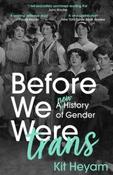
Before We Were Trans: A New History of Gender by Dr Kit Heyam (Paperback)
Dublin 2 dublin
 ✓ In Stock
Gutter Bookshop
The Irish in the Resistance : The Untold Stories of the Ordinary Heroes who Resisted Hitler by Clodagh Finn & John Morgan
Dublin 2 dublin


 ✓ In Stock
Gutter Bookshop
A Crack in Everything: How Black Holes Came in from the Cold and Took Cosmic Centre Stage by Marcus Chown (Hardback)
Dublin 2 dublin


 ✓ In Stock
Gutter Bookshop
Hillbilly Elegy : A Memoir of a Family and Culture in Crisis by J.D. Vance
Dublin 2 dublin


 ✓ In Stock
Gutter Bookshop
There and Back : Diaries 1999-2009 by Michael Palin (Large Paperback)
Dublin 2 dublin
 ✓ In Stock
Gutter Bookshop
The Hike Life: 50 More Favourite Hikes to Explore by Rozanna Purcell (Hardback)
Dublin 2 dublin

 ✓ In Stock
Gutter Bookshop
Matrescence : On the Metamorphosis of Pregnancy, Childbirth and Motherhood by Lucy Jones
Dublin 2 dublin

 ✓ In Stock
Gutter Bookshop
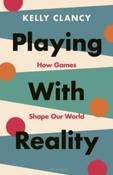
Playing with Reality : How Games Shape Our World by Kelly Clancy (Hardback)
Dublin 2 dublin

 ✓ In Stock
Gutter Bookshop
My Beautiful Sisters: A Story of Courage, Hope and the Afghan Women's Football Team by Khalida Popal
Dublin 2 dublin
 ✓ In Stock
Gutter Bookshop
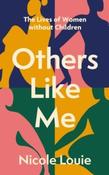
Others Like Me : The Lives of Women Without Children by Nicole Louie (Hardback)
Dublin 2 dublin


 ✓ In Stock
Gutter Bookshop
Crooks : The Stories Behind the Headlines by Paul Williams (Large Paperback)
Dublin 2 dublin
 ✓ In Stock
Gutter Bookshop
Citizen : My Life After the White House by President Bill Clinton (Hardback)
Dublin 2 dublin
 ✓ In Stock
Gutter Bookshop
Don't Look Back, You'll Trip Over : My Guide to Life by Michael Caine (Large Paperback)
Dublin 2 dublin
 ✓ In Stock
Gutter Bookshop
Sinead O'Connor: The Last Interview by Sinead O'Connor (Large Paperback)
Dublin 2 dublin
 ✓ In Stock
Gutter Bookshop
Under the Rainbow : Inside John Bruton's coalition government by Shane Kenny (Hardback)
Dublin 2 dublin

 ✓ In Stock
Gutter Bookshop
Pinch of Nom ALL IN ONE : Brand-new, One-pan Slimming Meals by Kay Allinson & Kate Allinson (Hardback)
Dublin 2 dublin

 ✓ In Stock
Gutter Bookshop
The Completely Chaotic Christmas of Lottie Brooks: Lottie Brooks 5 by Katie Kirby (Paperback)
Dublin 2 dublin
 ✓ In Stock
Gutter Bookshop
Kevin and the Blackbirds by David Almond & P.J. Lynch (Hardback Picturebook)
Dublin 2 dublin

 ✓ In Stock
Gutter Bookshop
A Lethal Legacy : A History of Ireland in 18 Murders by Fin Dwyer (Paperback)
Dublin 2 dublin

 ✓ In Stock
Gutter Bookshop
A City Runs Through Them: Dublin and its Twenty River Bridges by Fergal Tobin (Paperback)
Dublin 2 dublin

 ✓ In Stock
Gutter Bookshop
Farrelly’s Field Guide to Irish Faerie Folk by John Farrelly (Hardback)
Dublin 2 dublin
 ✓ In Stock
Gutter Bookshop
The Keeper of the Bees : Bees and Beekeeping in Irish Folklore by Eimear Chaomhanach (Hardback)
Dublin 2 dublin
 ✓ In Stock
Gutter Bookshop
Unbeatable : Dublin's Incredible Six in a Row by Eric Haughan (Large Paperback)
Dublin 2 dublin


 ✓ In Stock
Gutter Bookshop
An Irish Food Story : 100 Foods That Made Us by Jp McMahon (Hardback)
Dublin 2 dublin

 ✓ In Stock
Gutter Bookshop
Basics with Babish: Recipes for Screwing Up, Trying Again, & Hitting It Out of the Park by Andrew Rea (Hardback)
Dublin 2 dublin
 ✓ In Stock
Gutter Bookshop
Legends of the Cliffs of Moher by Eithne Massey & Lisa Jackson (Hardback)
Dublin 2 dublin
 ✓ In Stock
Gutter Bookshop
Finscealta na hEireann by Eithne Massey & Lisa Jackson (Large Paperback)
Dublin 2 dublin


Related Searches
Ross O'Carroll-Kelly Book
Educational Geography Book
Children'S Ghost Story
Tractor Ted Book
Best Selling Novels
Thriller Novels 2023
Children Activity Book
Eoin Colfer Novels
Irish Baby Names
Leaving Cert Biology Plus
First Class Reader
Personal Growth
Nature Book
Handwriting Practice Book
Adventure Books For Kids