-
Books 53157 Offer(s)

 ✓ In Stock
Gutter Bookshop
Arise And Go : W.B. Yeats and the people and places that inspired him by Kevin Connolly (Paperback)
Dublin 2 dublin
 ✓ In Stock
Gutter Bookshop
How Was It for You? : Stories from a Sex Worker by Eve Smith (Large Paperback)
Dublin 2 dublin
 ✓ In Stock
Gutter Bookshop
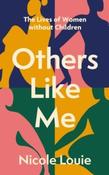
Others Like Me : The Lives of Women Without Children by Nicole Louie (Hardback)
Dublin 2 dublin


 ✓ In Stock
Gutter Bookshop
One Garden Against the World : In Search of Hope in a Changing Climate by Kate Bradbury (Hardback)
Dublin 2 dublin
 ✓ In Stock
Gutter Bookshop
Small Space Revolution : Planting Seeds of Change in Your Community by Tayshan Hayden-Smith (Hardback)
Dublin 2 dublin
 ✓ In Stock
Gutter Bookshop
Grounded in the Garden: An artist's guide to creating a beautiful garden in harmony with nature by TJ Maher (Hardback)
Dublin 2 dublin

 ✓ In Stock
Gutter Bookshop
Gardening - The Complete Beginner’s Guide by Gardeners' World (Hardback)
Dublin 2 dublin

 ✓ In Stock
Gutter Bookshop
The Accidental Garden : Gardens, Wilderness and the Space In Between by Richard Mabey (Hardback)
Dublin 2 dublin
 ✓ In Stock
Gutter Bookshop
Garden Hacks : 70 smart, sustainable tips for gardeners by Filip Johansson (Hardback)
Dublin 2 dublin

 ✓ In Stock
Gutter Bookshop
Garden To Save The World: A Feel-Good Guide to Growing for Yourself, Your Plants & the Planet by Joe Clark (Hardback)
Dublin 2 dublin
 ✓ In Stock
Gutter Bookshop
Man with a Hammer : Taking on Britain’s Biggest DIY Project by Greg Penn (Hardback)
Dublin 2 dublin

 ✓ In Stock
Gutter Bookshop
Systemic : How Racism Is Making Us Ill by Layal Liverpool (Large Paperback)
Dublin 2 dublin
 ✓ In Stock
Gutter Bookshop
The Science of Beauty : Debunk the Myths and Discover What Goes into Your Beauty Routine by Dr Michelle Wong (Hardback)
Dublin 2 dublin
 ✓ In Stock
Gutter Bookshop
Come Closer: Everything You Ever Wanted to Ask a Sex and Relationship Therapist by Charlene Douglas (Hardback)
Dublin 2 dublin
 ✓ In Stock
Gutter Bookshop
A Necessary Kindness : Stories From the Frontline of Abortion Care by Juno Carey
Dublin 2 dublin
 ✓ In Stock
Gutter Bookshop
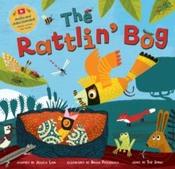
The Rattlin' Bog by Jessica Law & Brian Fitzgerald (Paperback Picturebook)
Dublin 2 dublin
 ✓ In Stock
Gutter Bookshop
Our World: Ireland by Muireann ní Chíobháin & Fuchsia MacAree (Board Book)
Dublin 2 dublin
 ✓ In Stock
Gutter Bookshop
Little Irish Folklore Friends by Niamh Donnellan & Brian Fitzgerald (Hardback Picturebook)
Dublin 2 dublin



 ✓ In Stock
Gutter Bookshop
Breaking the Dark : A Jessica Jones Marvel Crime Novel by Lisa Jewell (Large Paperback)
Dublin 2 dublin






 ✓ In Stock
Gutter Bookshop
The Book of Elsewhere by Keanu Reeves & China Mieville (Large Paperback)
Dublin 2 dublin


 ✓ In Stock
Gutter Bookshop
Usborne Puzzle Stories : Supersquirrel and the Crazy Rain Maker by Russell Punter & Josh Cleland (Paperback)
Dublin 2 dublin
 ✓ In Stock
Gutter Bookshop
This Lake is Fake! (Rabbit & Bear 6) by Julian Gough & Jim Field (Hardback)
Dublin 2 dublin