-
Books 53168 Offer(s)
 ✓ In Stock
Gutter Bookshop
Wedded Wife : A Social History of Marriage by Rachael E. Lennon (Paperback)
Dublin 2 dublin

 ✓ In Stock
Gutter Bookshop
And How Does That Make You Feel?: everything you (n)ever wanted to know about therapy by Joshua Fletcher (Large Paperback)
Dublin 2 dublin
 ✓ In Stock
Gutter Bookshop
All the Lonely People : Conversations on Loneliness by Sam Carr (Large Paperback)
Dublin 2 dublin
 ✓ In Stock
Gutter Bookshop
A Love That Kills : Stories of Forensic Psychology by Anna Motz (Paperback)
Dublin 2 dublin
 ✓ In Stock
Gutter Bookshop
How to ADHD : An Insider's Guide to Working with Your Brain (Not Against It) by Jessica McCabe (Large Paperback)
Dublin 2 dublin
 ✓ In Stock
Gutter Bookshop
Beautiful Chaos : On Motherhood, Finding Yourself and Overwhelming Love by Jessica Urlichs (Large Paperback)
Dublin 2 dublin
 ✓ In Stock
Gutter Bookshop
Money and Promises : Seven Deals that Changed the World by Paolo Zannoni (Hardback)
Dublin 2 dublin

 ✓ In Stock
Gutter Bookshop
Code Dependent : Living in the Shadow of AI by Madhumita Murgia (Large Paperback)
Dublin 2 dublin


 ✓ In Stock
Gutter Bookshop
The World of Yesterday : Memoirs of a European by Stefan Zweig (Paperback)
Dublin 2 dublin
 ✓ In Stock
Gutter Bookshop
The Glass Cliff: Why Women in Power Are Undermined - and How to Fight Back by Sophie Williams (Large Paperback)
Dublin 2 dublin
 ✓ In Stock
Gutter Bookshop
Slow Productivity : The Lost Art of Accomplishment Without Burnout by Cal Newport (Large Paperback)
Dublin 2 dublin
 ✓ In Stock
Gutter Bookshop
From CIA to CEO: Unconventional Life Lessons for Thinking Bigger, Leading Better & Being Bolder by Rupal Patel (Paperback)
Dublin 2 dublin
 ✓ In Stock
Gutter Bookshop
The Female Body Bible : Make Your Body Work For You by Dr Emma Ross, Baz Moffat & Dr Bella Smith (Paperback)
Dublin 2 dublin

 ✓ In Stock
Gutter Bookshop
Rural Hours : The Country Lives of Virginia Woolf, Sylvia Townsend Warner and Rosamond Lehmann by Harriet Baker
Dublin 2 dublin


 ✓ In Stock
Gutter Bookshop
Harpy : A Manifesto for Childfree Women by Caroline Magennis (Hardcover)
Dublin 2 dublin
 ✓ In Stock
Gutter Bookshop
Cultures of Growth: How Mindset Can Transform Individuals, Teams & Organisations by Mary C. Murphy (Large Paperback)
Dublin 2 dublin
 ✓ In Stock
Gutter Bookshop
Determined : Life Without Free Will by Robert M Sapolsky (Paperback)
Dublin 2 dublin

 ✓ In Stock
Gutter Bookshop
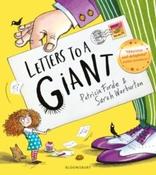
Letters to a Giant by Patricia Forde & Sarah Warburton (Paperback Picturebook)
Dublin 2 dublin
 ✓ In Stock
Gutter Bookshop
End Times Fascism : And the Fight for the Living World by Naomi Klein & Astra Taylor (Hardcover) (September 2026)
Dublin 2 dublin

 ✓ In Stock
Gutter Bookshop
Is Maths Real? : How Simple Questions Lead Us to Mathematics’ Deepest Truths by Eugenia Cheng (Paperback)
Dublin 2 dublin
 ✓ In Stock
Gutter Bookshop
Dexter Procter Book 2: Dexter Procter and the Case of the Disappearing Doctor by Adam Kay (Large Paperback)
Dublin 2 dublin
 ✓ In Stock
Gutter Bookshop
The Seriously Epic Holiday of Lottie Brooks: Lottie Brooks 9 by Katie Kirby (Large Paperback)
Dublin 2 dublin
 ✓ In Stock
Gutter Bookshop
What's Your Dream? The Workbook: Children's Edition by Simon Squibb (Paperback)
Dublin 2 dublin


 ✓ In Stock
Gutter Bookshop
Everything You Know About Dinosaurs is Wrong! by Dr Nick Crumpton (Hardback)
Dublin 2 dublin

 ✓ In Stock
Gutter Bookshop
Adventuremice : Mice on the Ice by Philip Reeve & Sarah McIntyre (Paperback)
Dublin 2 dublin
 ✓ In Stock
Gutter Bookshop
A Heart Full of Hatred: Skulduggery Pleasant 17 by Derek Landy (Paperback)
Dublin 2 dublin


 ✓ In Stock
Gutter Bookshop
Yesterday Crumb and the Tea Witch's Secret (Book 3) by Andy Sagar (Paperback)
Dublin 2 dublin


 ✓ In Stock
Gutter Bookshop
Shapes of Nature: A Kaleidoscope of the Natural World by Ben Hoare (Hardback)
Dublin 2 dublin
 ✓ In Stock
Gutter Bookshop
Paper Dragons Book 3: The Race to the Cloud Sea by Siobhan McDermott (Paperback)
Dublin 2 dublin


 ✓ In Stock
Gutter Bookshop
Rory Sparkes and the Elephant in the Room by Hugh Bonneville (Paperback)
Dublin 2 dublin
Related Searches
Literary Fiction Collection
Family Adventure Book
Educational Reading
Women'S Health Book
4Th Class Maths
Children'S Music Education
Children Educational Books
Fiction Book Set
Children'S Alphabet Book
Roddy Doyle Books
Secondhand Irish Book
Peppa Pig Cake
Conradh Na Gaeilge
Children'S Environmental Book
Middle Grade Adventure