Country: France Region: Eastern Languedoc, Languedoc
Varietal: 100% Sauvignon Blanc
Vintage: 2020 Colour: White Style: Dry
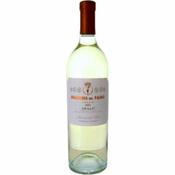
Producer: Baron de Badassiere
Description: Baron de Badassiere is from the Picpoul de Pinet region of the Languedoc, near the coast of the south of France...The name of the wine refers to the Badassiere vineyard which lies near the small town of Pomerols. In the 18th century, the vineyard belonged to Baron Charles Emmanuel, a colourful character who was rumoured to be the illegitimate son of King Louis XV. The wines are made exclusively for Liberty by New Zealand winemaker Graeme Paul, with consultant Matt Thomson, at the Cave de Pomerols cooperative where the Vignes de L'Eglise range is also produced. This region benefits from a sunny, warm climate which encourages ripe, fruity flavours in the wines, while the coastal breezes help retain freshness and aromatics.
Tasting Note:Pale lemon in colour with a youthful rim. Crisp apple aromasare complemented with a citrus edge. On the palate, it has attractive weight, with a good balance of ripe, yellow plums and greengages and a fresh lime zest acidity that continue through the finish.
Food Matches: Oysters / Shellfish / Chicken / Aperitif
Country: France Region: Burgundy
Varietal: Chardonnay
Vintage: 2019 Colour: White Style: Dry
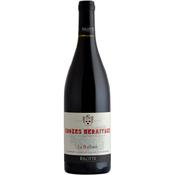
Producer: Domaine Corinne Perchaud
Description:
Corinne Perchaud is married to Chablis producer Jean-Pierre Grossot, and together they make a formidable pair...
Like Grossot’s, her wines are elegant, intense and nervy with superb definition and a wonderful capacity for ageing. This Chablis comes from a Premier Cru vineyard on the eastern edge of Chablis. Named after its warm mesoclimate, (fourneau means 'stove' in French), the wines produced here tend to have ripe, tropical flavours alongside their mineral intensity.
Ageing Potential: 10 Years
Vineyards
Corinne Perchaud's Premier Cru 'Les Fourneaux' vineyard is 1.60 hectares. The soil is poor and predominantly clay, with some chalk. The vineyards are on steep west-facing slopes. The vines are an average of over 10 years old and are double-Guyot trained.
Vintage information
2018 was an early vintage due to the warm winter. There were eight in days in April where temperatures fell below zero. This caused many of the buds to freeze and some of the shoots sprouted without grapes. However, the end of spring and summer was warm, which meant flowering took place in good conditions. The temperatures increased during the second half of August. Once the perfect level of maturity had been reached in September, the grapes were picked and the harvest lasted for 10 days.
Vinification
After a mild settling of the juice, 75% of the must was transferred into stainless-steel tanks and 25% into oak barrels where alcoholic and malolactic fermentation took place. The wine was then blended in stainless-steel tanks aged on fine lees. After filtration, the wine was bottled approximately 15 months after harvest.
Tasting Notes
The nose has intense aromas of lemon zest and concentrated stone fruit. Layered and rich on the palate, the concentration is balanced by a racy acidity which drives the long, mineral finish.
Food Matches: Poultry